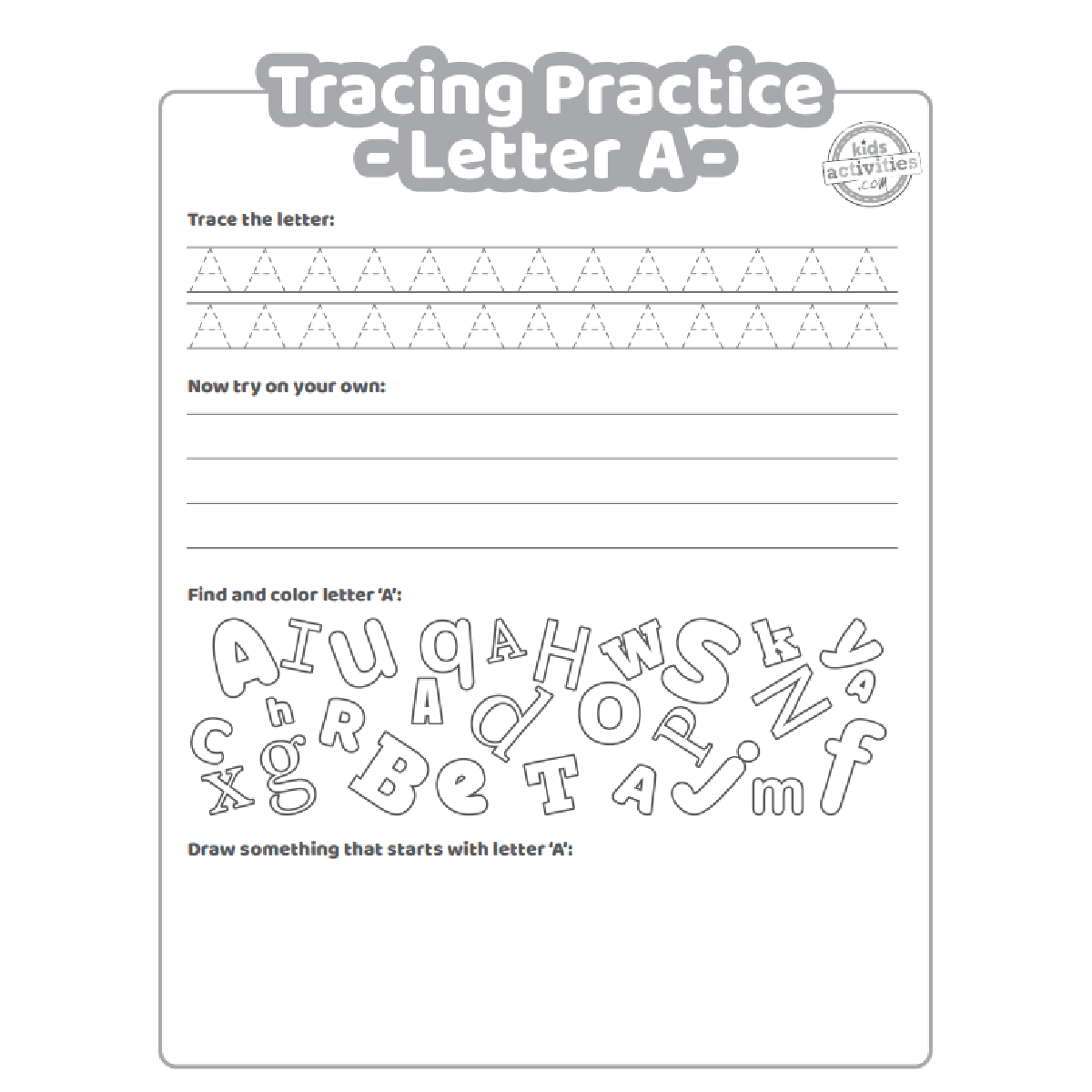
Tracing the letter A is an essential early literacy skill for preschoolers. By focusing on this foundational letter, you can help young learners develop fine motor skills and begin to recognize letters in their environment. Printable resources, like worksheets and tracing templates, are invaluable in this process, offering a hands-on approach that reinforces learning. In this article, I’ll guide you through creating a rich tracing experience for preschoolers, detailing the best formats, preparation tips, and engaging activities that accompany tracing the letter A.
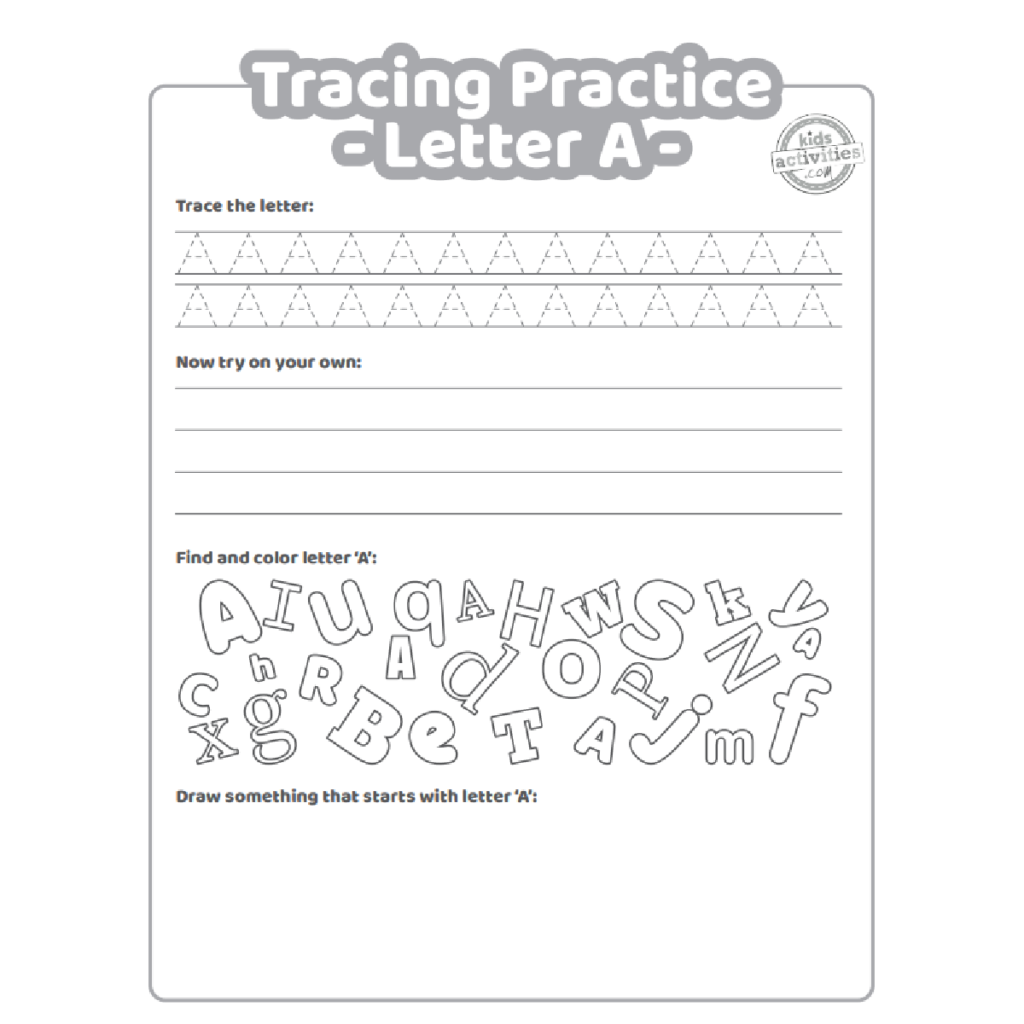
Printable Tracing Worksheets for Letter a
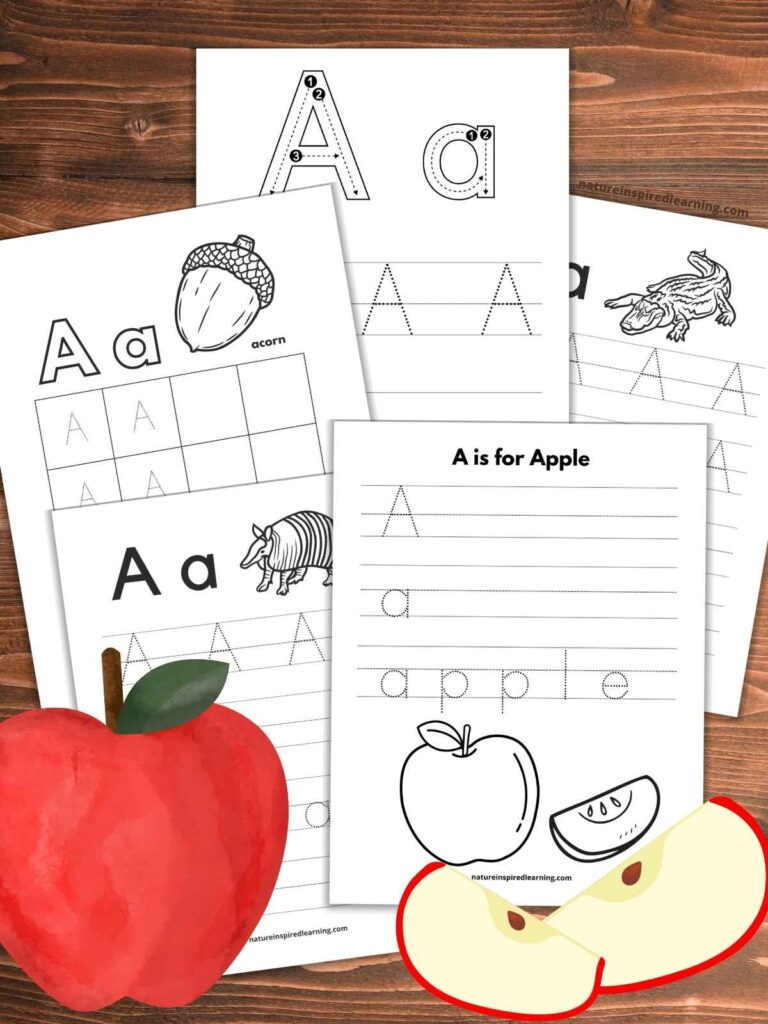
One of the best ways to introduce preschoolers to the letter A is through printable tracing worksheets. These worksheets typically come in PDF format, which is ideal since it preserves the layout and design. You can print them at various sizes, but standard letter size (8.5″ x 11″) works best for most home printers.
When selecting or creating your tracing worksheets, consider including both uppercase and lowercase letters. This dual approach helps children understand the differences in letter shapes. Additionally, look for worksheets that incorporate images of objects starting with A, such as apples or alligators, to create a multi-sensory learning experience.
For printing, use a high-quality setting to ensure that the letters and images are crisp and clear. You might also want to use cardstock instead of regular paper for durability if the worksheets will be reused. This way, children can trace over and over, solidifying their understanding of the letter.
Editable Tracing Templates for Personalization
Editable tracing templates can be a game-changer in your teaching toolkit. These templates allow you to customize the content, which is particularly useful for addressing different learning needs in your classroom or at home. You can easily create personalized worksheets that include a child’s name or favorite objects that start with the letter A.
Look for templates in PDF or PNG formats. PDF formats are often easier to edit without losing quality, while PNG files can be used with various graphic software for more intricate designs. Once customized, print the templates on standard paper or cardstock, depending on your preference.
To set up your printer, select the portrait orientation for a more natural writing experience. If you choose a colored template, ensure you have enough ink, as vibrant visuals can enhance engagement significantly.
Multi-sensory Activities to Reinforce Tracing
Beyond tracing, incorporating multi-sensory activities can solidify the learning experience for preschoolers. When teaching the letter A, you could pair tracing with auditory and tactile elements. For instance, as children trace the letter A, encourage them to say the letter aloud and associate it with an object they know, like “A is for apple.”
You might also create a hands-on activity with playdough. Have the children form the letter A with playdough while saying its name. This tactile experience reinforces their understanding of the shape and sound of the letter.
Consider using coloring pages featuring the letter A alongside your tracing sheets. Children can color images of apples or animals, which can help them connect the letter with familiar concepts. This combination of activities can enhance retention and make learning fun.
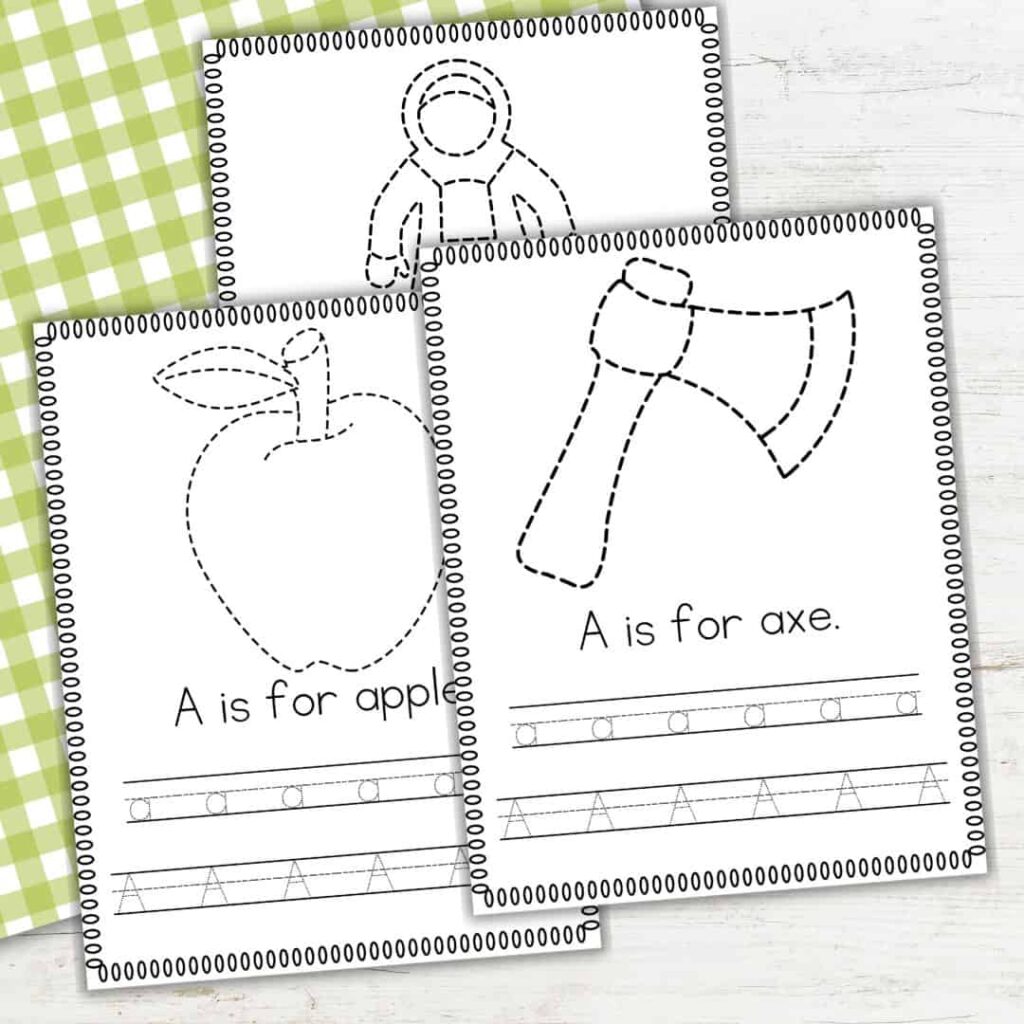
Tips for Printing and Using Tracing Resources
To maximize the effectiveness of your tracing resources, pay attention to a few key details in printing and usage. First, always preview your documents before printing. This helps you avoid any surprises, such as text cut-off or unexpected formatting issues.
Next, consider the type of paper you’ll be using. If you plan to laminate the worksheets for repeated use, opt for heavier paper stock. This will ensure that they stand up to wear and tear, especially if multiple children will be using them.
For classroom settings, a three-ring binder can be a great way to organize these resources. You can place the worksheets in sheet protectors, allowing children to trace with dry-erase markers. This method not only saves paper but also encourages them to practice repeatedly without needing new worksheets each time.
Incorporating a variety of resources, from worksheets to hands-on activities, will create a rich learning environment. As you prepare to print and use these resources, remember to adapt them to fit your specific teaching context and the needs of your students.
