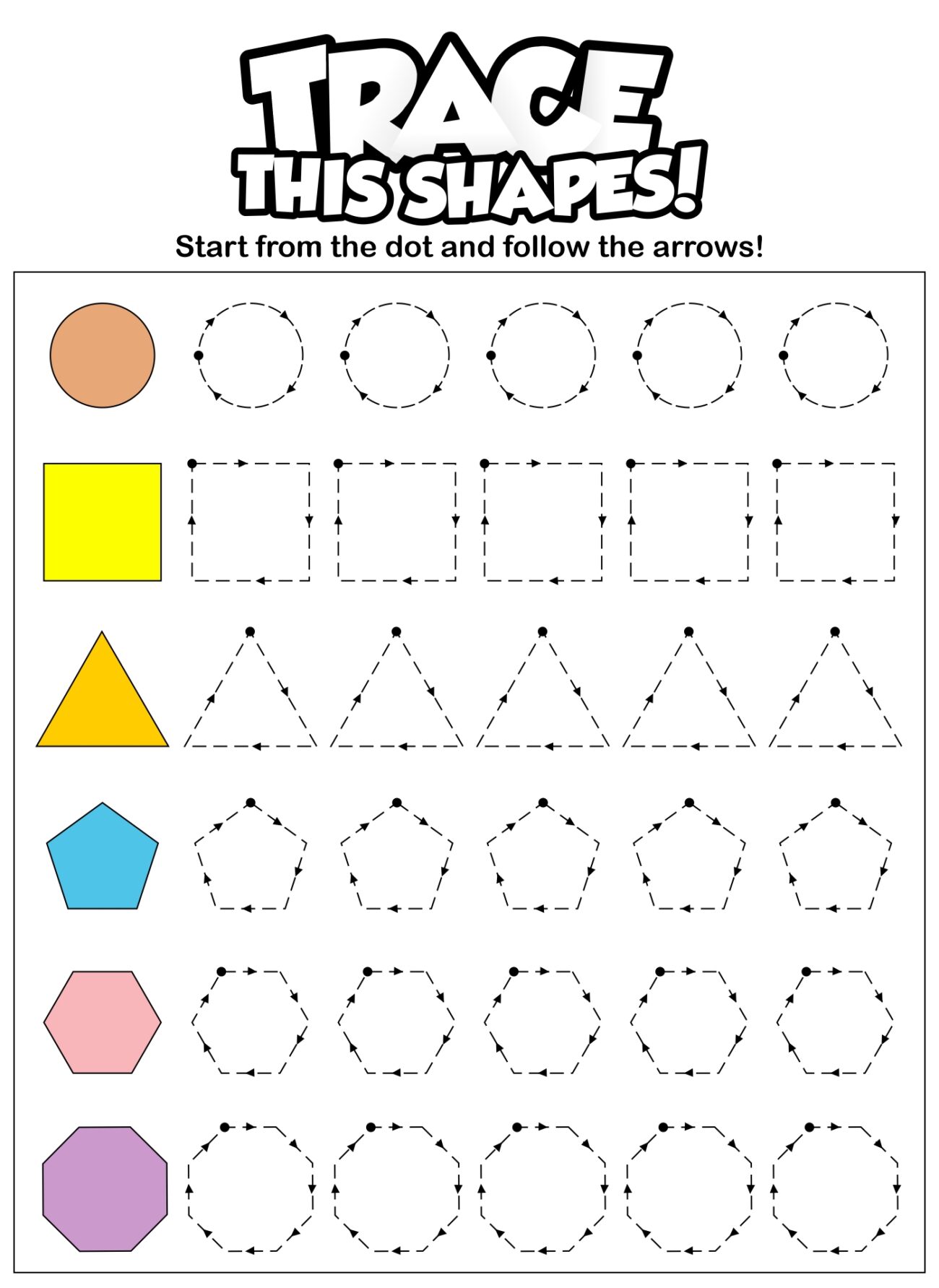
Tracing activities for 3 year olds serve as a fantastic way to develop essential fine motor skills while keeping little ones entertained. These activities not only engage kids but also help them learn how to control their hand movements, which is crucial for writing and other tasks as they grow. Let’s explore some practical tracing resources and activities that you can easily implement at home or in a preschool setting.
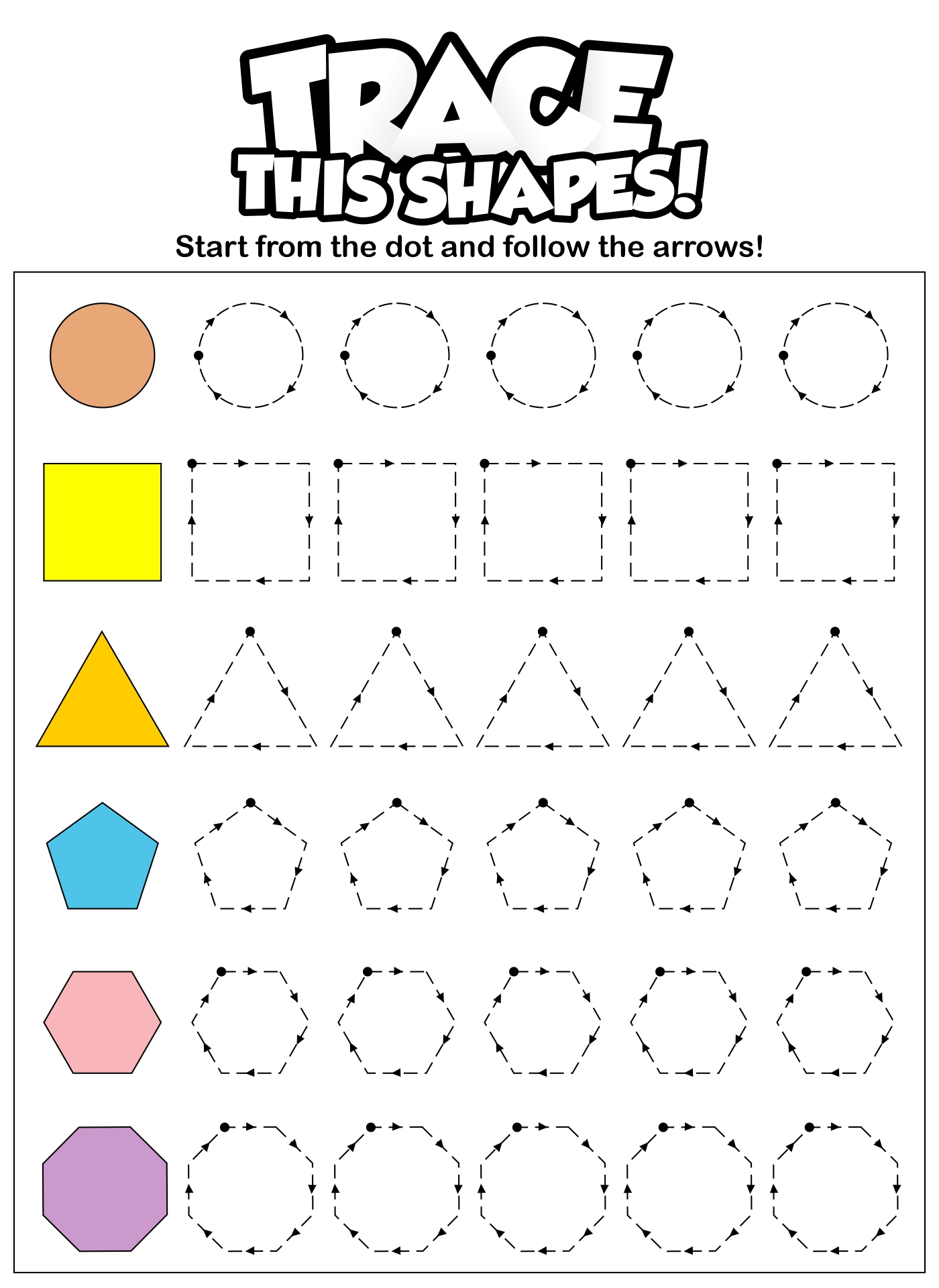
What Are Tracing Activities?
Tracing activities involve guiding a child’s hand along pre-drawn lines, shapes, or letters. By following these outlines, children improve their hand-eye coordination, learn about shapes, and start recognizing letters and numbers. These activities can be as simple as tracing around objects or following dotted lines on worksheets.
For 3 year olds, the focus is on making tracing fun and engaging. Whether it’s tracing animals, letters, or simple shapes, the key is to create a positive learning experience. You’ll find that printable worksheets are particularly helpful since they provide a structured approach to tracing without overwhelming your child.
Types of Tracing Worksheets
When looking for tracing activities for 3 year olds, consider the following types of worksheets:
1. Shape Tracing Worksheets
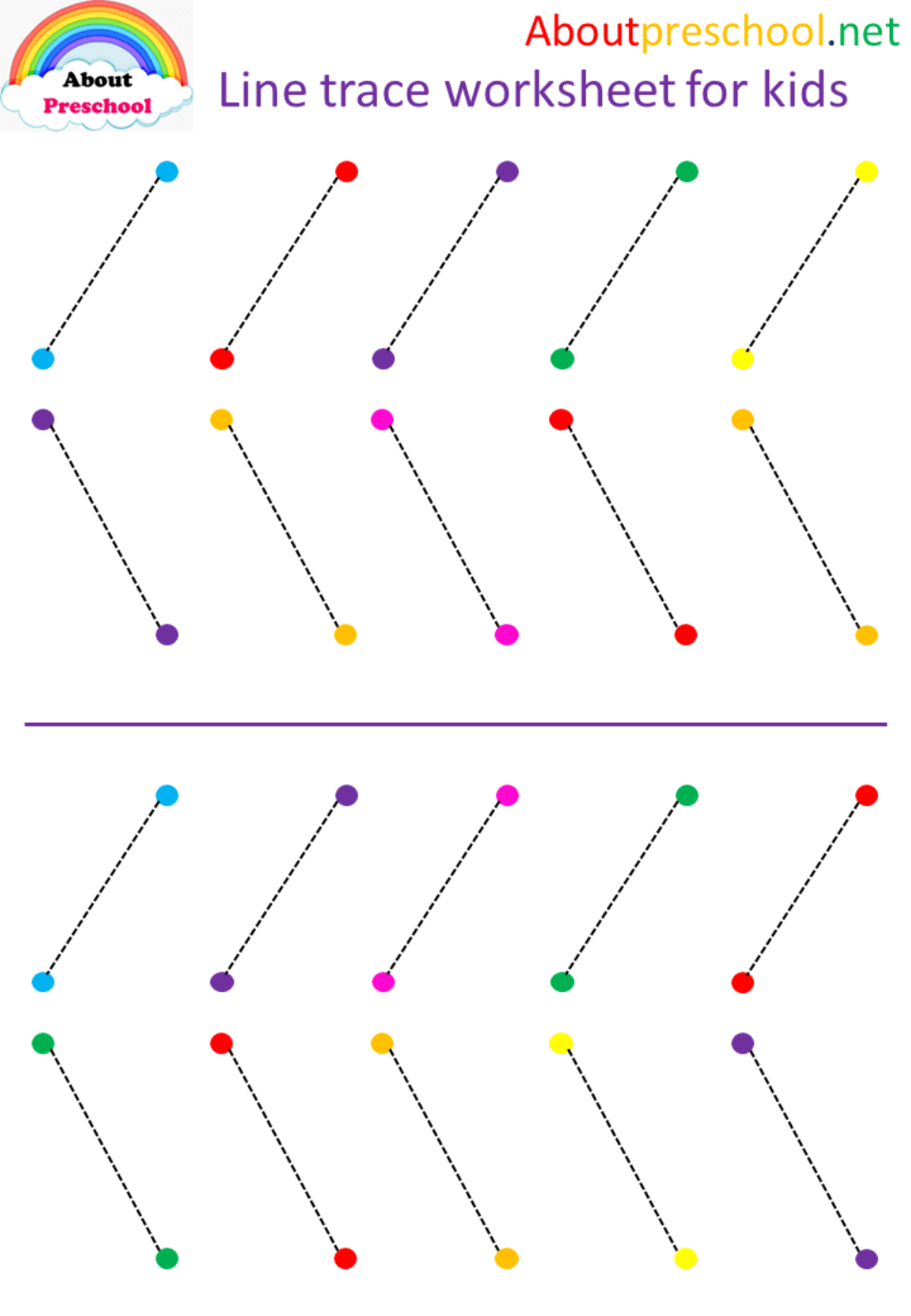
Shape tracing worksheets are an excellent starting point for young learners. They typically feature various shapes such as circles, squares, and triangles.
- Benefits: These worksheets help children recognize shapes and develop control over their pencil grip.
- Design: Look for worksheets that use large, bold outlines so kids can easily see where to trace.
2. Letter Tracing Worksheets
Introducing letters through tracing can help children begin to understand the alphabet. Letter tracing worksheets usually feature both uppercase and lowercase letters.
- Benefits: These worksheets familiarize children with letter formation and improve their writing skills.
- Design: Choose worksheets that include arrows or dotted lines to guide the child’s hand, making it easier to learn the correct way to form each letter.
3. Number Tracing Worksheets
Number tracing is another critical area for preschoolers. These worksheets often include numbers 1-10 and sometimes beyond.
- Benefits: They help kids learn number recognition and develop counting skills.
- Design: Make sure the numbers are clear and large enough for small hands to trace easily.
4. Themed Tracing Worksheets
Themed worksheets can make tracing even more enjoyable. You might find worksheets featuring animals, holidays, or favorite cartoon characters.
- Benefits: Engaging themes can spark a child’s interest and make learning feel like play.
- Design: Look for colorful and visually appealing worksheets that can capture a child’s attention while still being educational.
How to Use Tracing Worksheets Effectively
To get the most out of tracing activities for 3 year olds, here are some practical tips:
- Set Up a Comfortable Workspace: Create a dedicated space for tracing activities that is free from distractions. A sturdy table and a comfortable chair at the right height will help your child focus.
- Use the Right Materials: Choose the right paper and writing tools. For tracing, I recommend using thicker paper or cardstock, as it holds up better to repeated use. Crayons or thick markers are great for little hands to grip and control.
- Demonstrate First: Show your child how to trace before asking them to do it independently. This demonstration helps them understand the task and what’s expected.
- Encourage Independence: Once they grasp the concept, allow your child to trace independently. This builds confidence and a sense of accomplishment.
- Incorporate Praise: Positive reinforcement is essential. Celebrate their efforts, regardless of how perfect the tracing looks. This encouragement motivates them to continue practicing.
Printable Resources for Tracing Activities
Finding the right printable resources can make implementing tracing activities at home much easier. Here are some places to find quality tracing worksheets:
- Educational Websites: Many educational sites offer free printable worksheets specifically designed for preschoolers. Look for those that focus on early childhood education.
- Pinterest: This platform is a treasure trove for printable resources. You can search for tracing worksheets that fit your child’s interests or educational needs.
- Printable Resource Websites: There are dedicated sites that specialize in educational printables. You can often find themed tracing worksheets, which add an element of fun to the learning process.
- Craft Stores: Some craft stores sell educational workbooks. While not free, they often provide a variety of worksheets in one book, making it a cost-effective option if you prefer a physical copy.
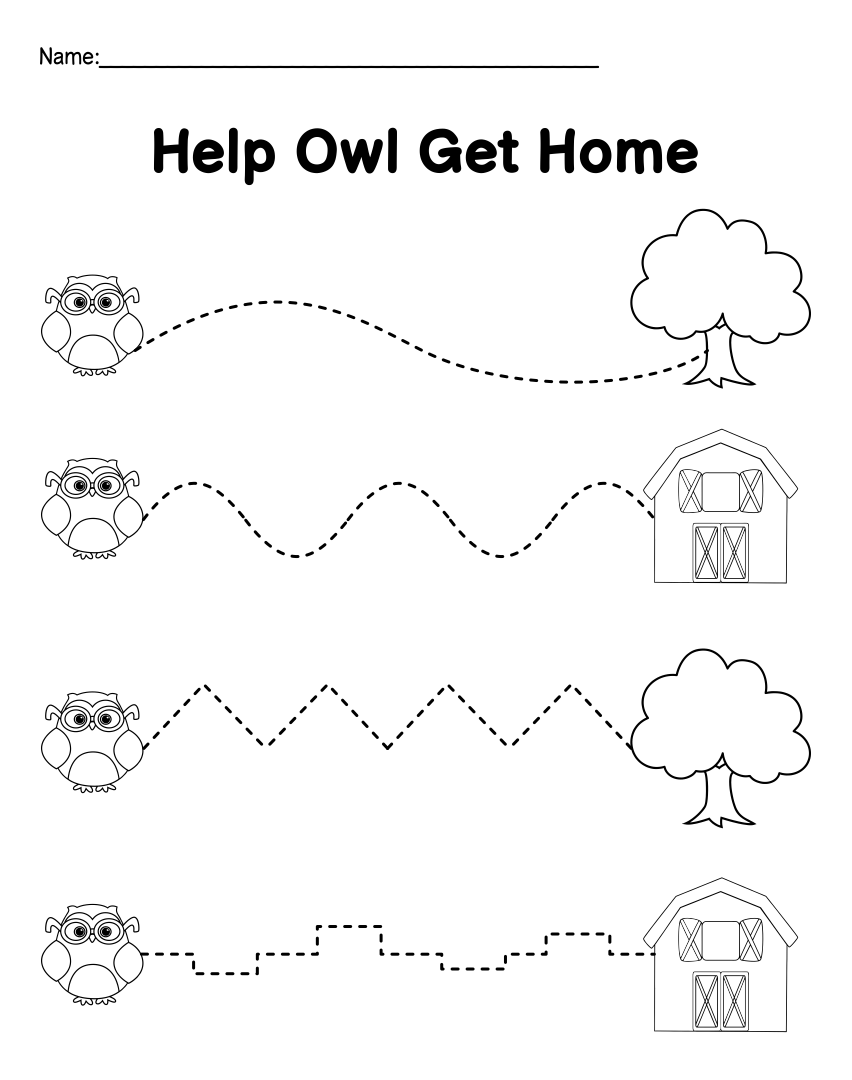
Tips for Making Tracing Activities Engaging
To keep your 3 year old engaged with tracing activities, consider these additional strategies:
- Combine with Coloring: After tracing, encourage your child to color in the shapes or letters. This adds another layer of creativity to the activity and reinforces learning.
- Use Interactive Tools: If you have access to a tablet, there are apps designed for tracing that can make learning more interactive. These can be great for on-the-go learning.
- Create a Tracing Book: Compile their completed tracing worksheets into a book. This not only keeps things organized but also provides a sense of achievement as they see their progress.
- Incorporate Movement: Turn tracing into a physical activity by using large paper on the floor where they can trace shapes with chalk or finger paint. This adds a sensory element that can be very appealing to young children.
- Make It Social: If possible, organize a tracing playdate with friends. Kids often enjoy activities more when they can share them with peers.
By incorporating these tips and resources, you can create a rich learning environment filled with tracing activities for 3 year olds that enhance their development in a playful way. The key is to keep it fun and varied, ensuring that your little one remains excited about learning and practicing their skills.
One useful detail to remember is that using different colors for tracing can help keep kids engaged and make the learning process more visually stimulating.
