Teaching letters and sounds in kindergarten is essential for laying a solid foundation in literacy. Young learners benefit from engaging, hands-on activities that help them recognize letters, associate sounds, and develop early reading skills. This article outlines practical strategies and resources that will enhance your instruction and provide your students with the skills they need to succeed.
Printable Worksheets for Letter Recognition
Using printable worksheets is a straightforward way to reinforce letter recognition in your classroom. These worksheets can include various activities such as tracing, matching, and filling in the blanks. Look for resources that allow for both uppercase and lowercase letter practice.
Types of Worksheets to Consider
- Tracing Worksheets: These are perfect for developing fine motor skills while helping students learn letter shapes. Choose worksheets with dotted lines that children can follow.
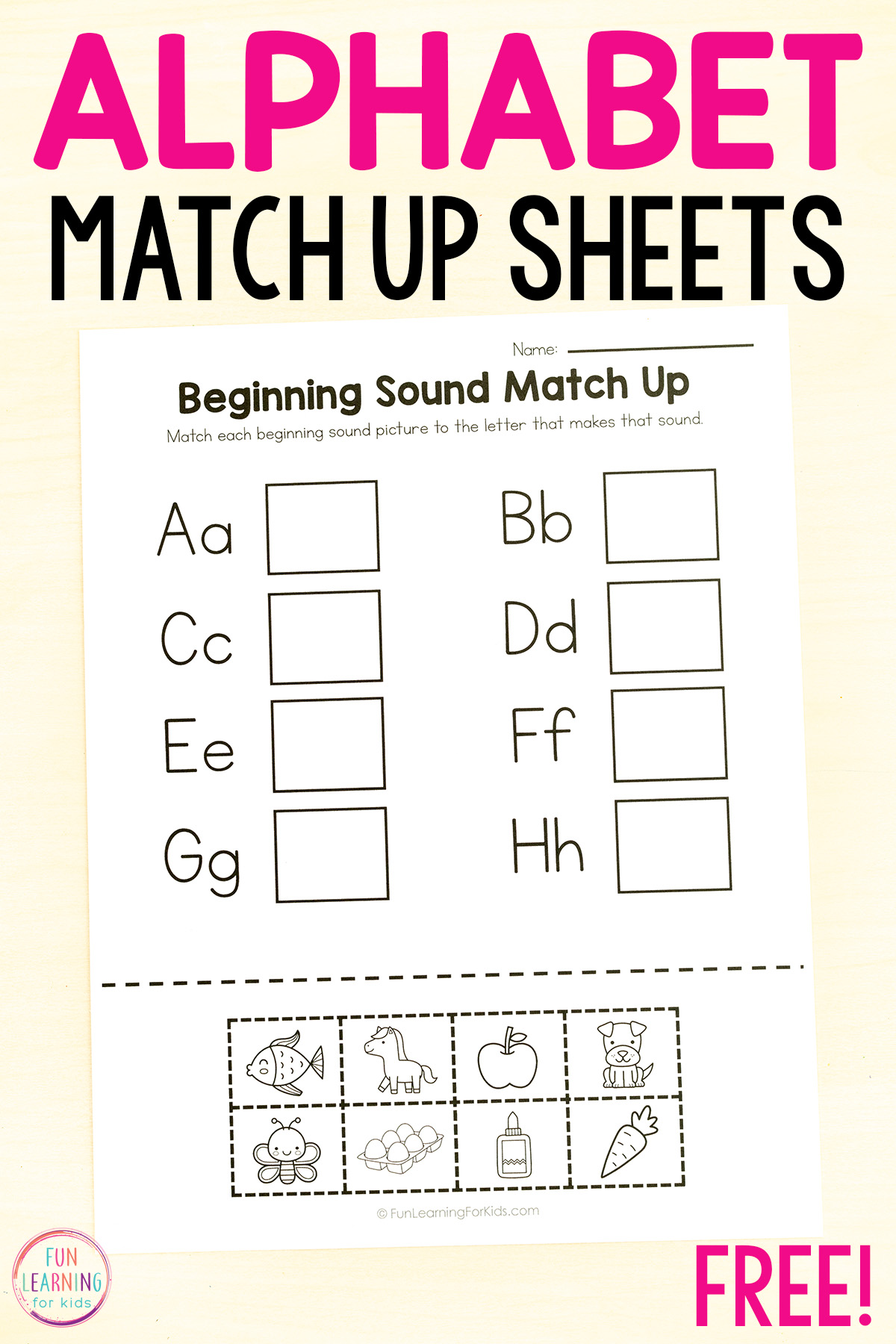
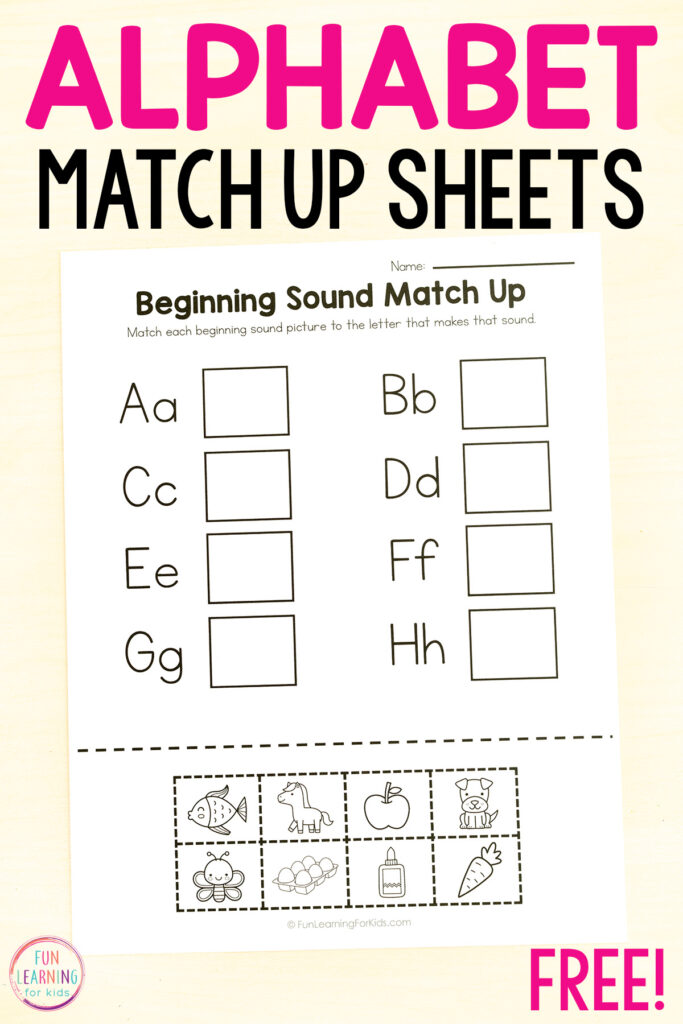
- Matching Activities: Have students match letters to corresponding images. For example, match ‘A’ with an apple. This activity builds associations between letters and sounds.
- Coloring Pages: Incorporate fun by using coloring pages that feature letters. Children can color the letter and images starting with that letter, reinforcing the sound connection.
Using these worksheets not only helps children practice but also keeps them engaged. You can find many free printable worksheets online tailored specifically for kindergarten-level learners.
Engaging Activities for Sound Recognition
Activities that focus on sound recognition are crucial for developing phonemic awareness. These activities can be simple yet effective, allowing students to hear and manipulate sounds in words.
Suggested Activities
- Sound Sorting Games: Create a game where students sort objects or pictures based on their beginning sounds. For instance, they can sort pictures of a cat, dog, and fish into the ‘C’ and ‘D’ categories.
- Rhyming Games: Use rhyming games to help students recognize sounds in different words. This can be done with cards or through interactive songs.
- Interactive Read-Alouds: Choose books that emphasize sounds and letters. Pause to ask students to identify sounds, and encourage them to repeat after you. Engaging with the text helps solidify their understanding.
These activities can be easily adapted for different learners and can be implemented in both group and individual settings.
Editable Templates for Lesson Planning
Having editable templates can streamline your lesson planning process, making it easier to customize your activities to fit your classroom needs. These templates can include lesson plans, assessment sheets, and activity guides.
Benefits of Using Editable Templates
- Customization: Tailor templates to fit your teaching style and the unique needs of your students.
- Flexibility: Easily modify the content as your students progress or as you introduce new letters and sounds.
- Time-Saving: Pre-made templates save you time in planning, allowing you to focus more on instruction and less on preparation.
You can find many free editable templates available for download in PDF or Word formats that cater to kindergarten educators. These resources can significantly enhance your ability to deliver effective lessons.
Monthly Calendar for Letter Focus
Incorporating a monthly calendar into your teaching can help track progress and keep your students focused on specific letters and sounds. A visual calendar can serve as a great tool for daily reminders and activities.
How to Implement a Monthly Calendar
- Select a Letter of the Month: Choose one letter to focus on each month. Use the calendar to highlight activities centered around that letter.
- Daily Activities: List daily activities related to the letter on the calendar, such as arts and crafts, reading sessions, or phonics games.
- Parental Involvement: Send home a copy of the calendar so parents can engage with their children in letter recognition activities at home.
This approach not only enhances classroom learning but also encourages families to participate in their child’s literacy development.
Teaching letters and sounds in kindergarten can be an exciting journey for both educators and students. With the right resources and strategies, you can create a dynamic learning environment that fosters a love for reading and writing. As you implement these ideas, consider how you can adapt them to meet your students’ diverse needs and learning styles.
