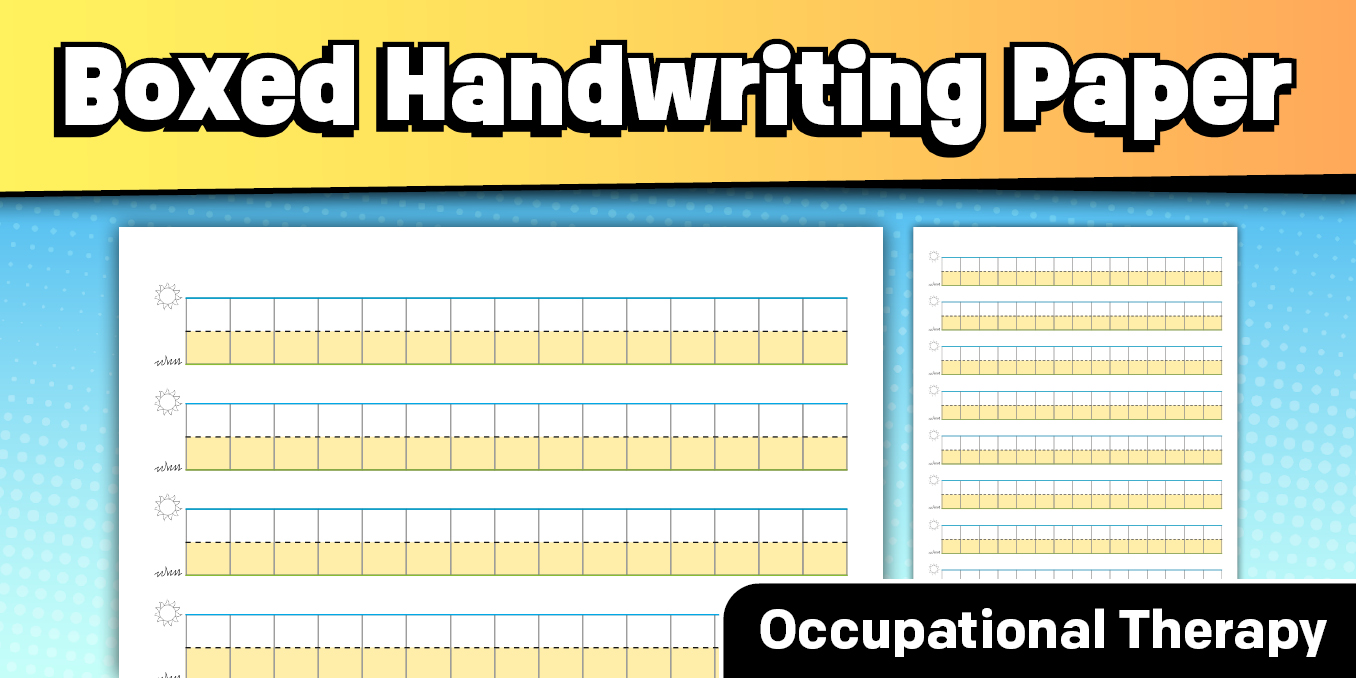
When you’re teaching kindergarten, a solid foundation in handwriting is crucial. Printable handwriting paper for kindergarten typically comes in standard letter sizes, such as 8.5″ x 11″, allowing for easy printing and use in any classroom or home setting. This resource is designed specifically to help young children learn proper letter formation, spacing, and overall writing skills, making it an essential tool for educators and parents alike.
Understanding the Layout of Handwriting Paper
The layout of printable handwriting paper plays a significant role in a child’s writing development. Most commonly, you’ll find two main types of layouts: primary and intermediate.
Primary Handwriting Paper Features
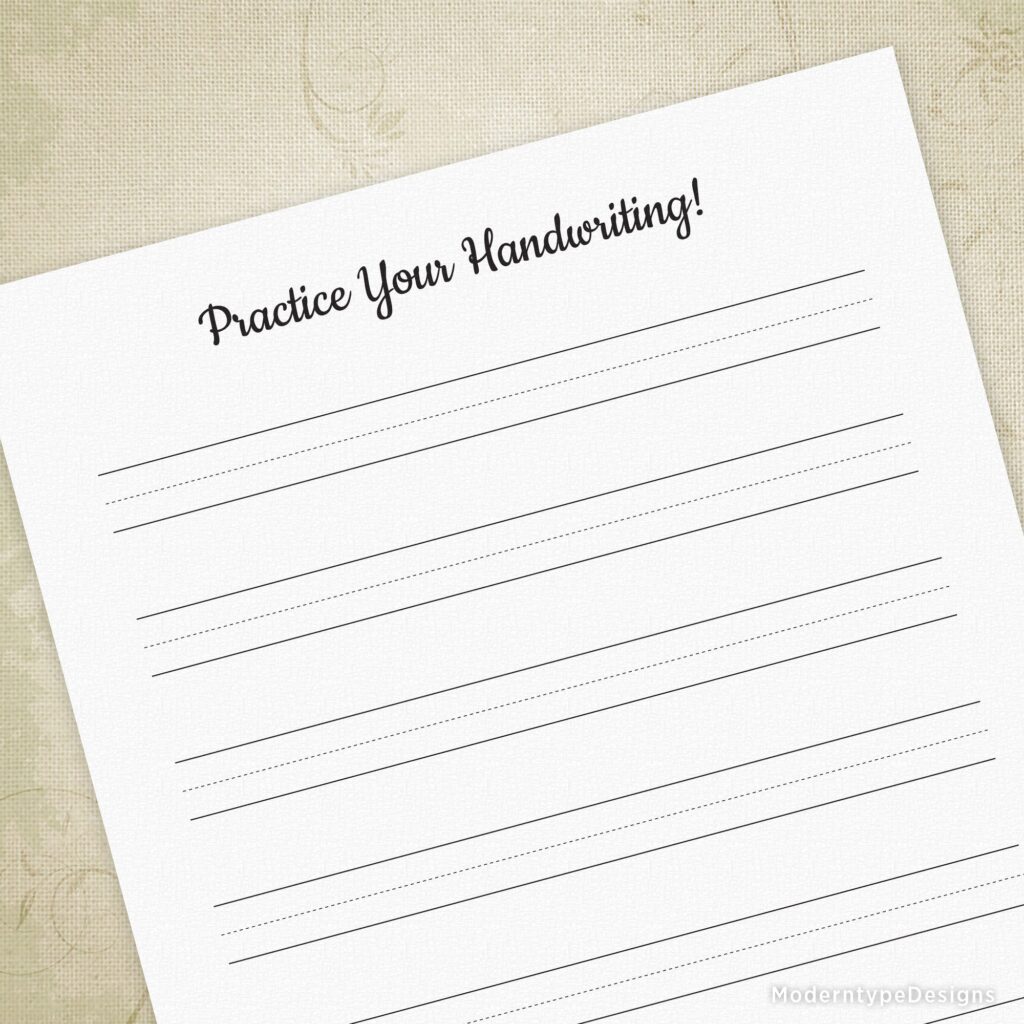
Primary handwriting paper usually includes:
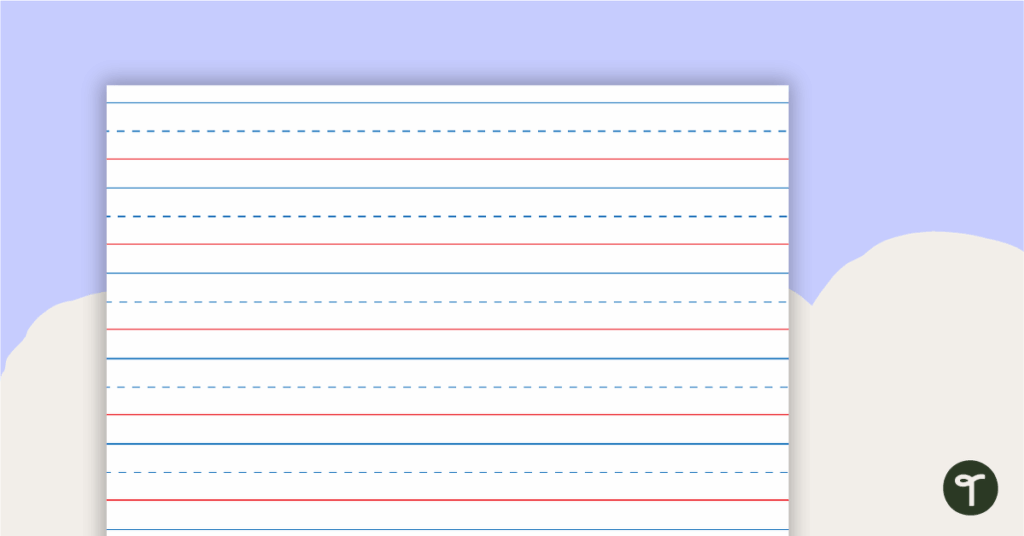
- Large lines: Designed to accommodate larger handwriting, these lines are often 1 inch apart. They give children ample space to practice their letters without feeling cramped.
- Dotted midlines: These serve as a guide for where the letters should reach in terms of height. This visual cue helps children understand the different sizes of letters, especially when distinguishing between uppercase and lowercase.
This layout is particularly effective for beginners who are just starting to grasp letter formation. The clear divisions help them visualize where their letters should begin and end.
Intermediate Handwriting Paper Features
As children progress, intermediate handwriting paper may come into play. This type usually features:
- Smaller lines: Typically, these lines are about 0.5 inches apart, suitable for children who have mastered primary writing skills.
- Fewer visual cues: This paper might eliminate the dotted midline, encouraging children to rely more on their memory and muscle memory for proper letter height.
Using intermediate paper allows for a smoother transition as children develop their writing skills. The gradual change in layout helps them adapt to writing more fluidly.
Choosing the Right Format for Your Needs
When it comes to printable handwriting paper, various formats are available to cater to different needs. Most resources are offered in PDF format, which is ideal because it maintains the original layout regardless of the printer’s settings.
Printable Pdf Vs. Png Formats
- PDF: This is the most common format, ensuring that the document prints exactly as intended. There are no issues with resizing or layout shifts.
- PNG: While this format can be useful for digital use or specific applications, it may not be the best choice for printing large quantities of handwriting paper. If you choose PNG, make sure your printer settings are adjusted to avoid scaling issues.
Selecting the right file format is crucial, especially if you’re printing multiple copies for a classroom. PDF files are generally more reliable for this purpose.
Customizable and Editable Handwriting Paper
Sometimes, you might want a more tailored approach to handwriting practice. Editable handwriting paper allows you to customize the content, making it suitable for specific learning goals or themes.
Why Use Editable Templates?
Using editable templates offers several advantages:
- Personalization: You can add your child’s name or specific words they need to practice. This can enhance engagement and make the learning experience more relevant.
- Variety: You can create different themes based on holidays, seasons, or subjects, keeping the practice fresh and exciting.
Editable templates are particularly useful for teachers who want to adapt lessons to fit their students’ individual needs. By customizing the worksheets, you can ensure that every child is challenged appropriately.
Incorporating Handwriting Practice Into Daily Learning
Finally, it’s essential to integrate handwriting practice into daily learning routines. This can be done through various activities that encourage writing beyond just worksheets.
Fun Activities to Enhance Writing Skills
- Journaling: Encourage children to keep a simple journal where they can write about their day or express their thoughts. This practice not only develops writing skills but also fosters creativity.
- Tracing: Use printable handwriting paper for tracing letters and words. This method reinforces muscle memory and helps children learn proper letter formation.
- Art integration: Combine writing with art by asking students to write stories about their drawings. This holistic approach can boost both writing and artistic skills.
By incorporating handwriting practice into everyday activities, you help reinforce these skills in a fun and engaging way.
These resources are readily available for download, often free or at a minimal cost. You can find a variety of designs and layouts that cater to your specific needs, whether you’re looking for something simple or more specialized. Be sure to check the dimensions and ensure that your printer settings are correct before printing to get the best results possible. With the right support and resources, your students will be well on their way to mastering their handwriting skills.
