Teaching children how to write their names is an essential skill that sets the foundation for their writing journey. Name tracing worksheets with lines are a fantastic tool to help young learners practice letter formation, improve fine motor skills, and gain confidence in their writing abilities. In this article, I’ll share how to effectively use these worksheets, the best age groups for them, and tips to monitor your child’s progress.
What Are Name Tracing Worksheets With Lines?
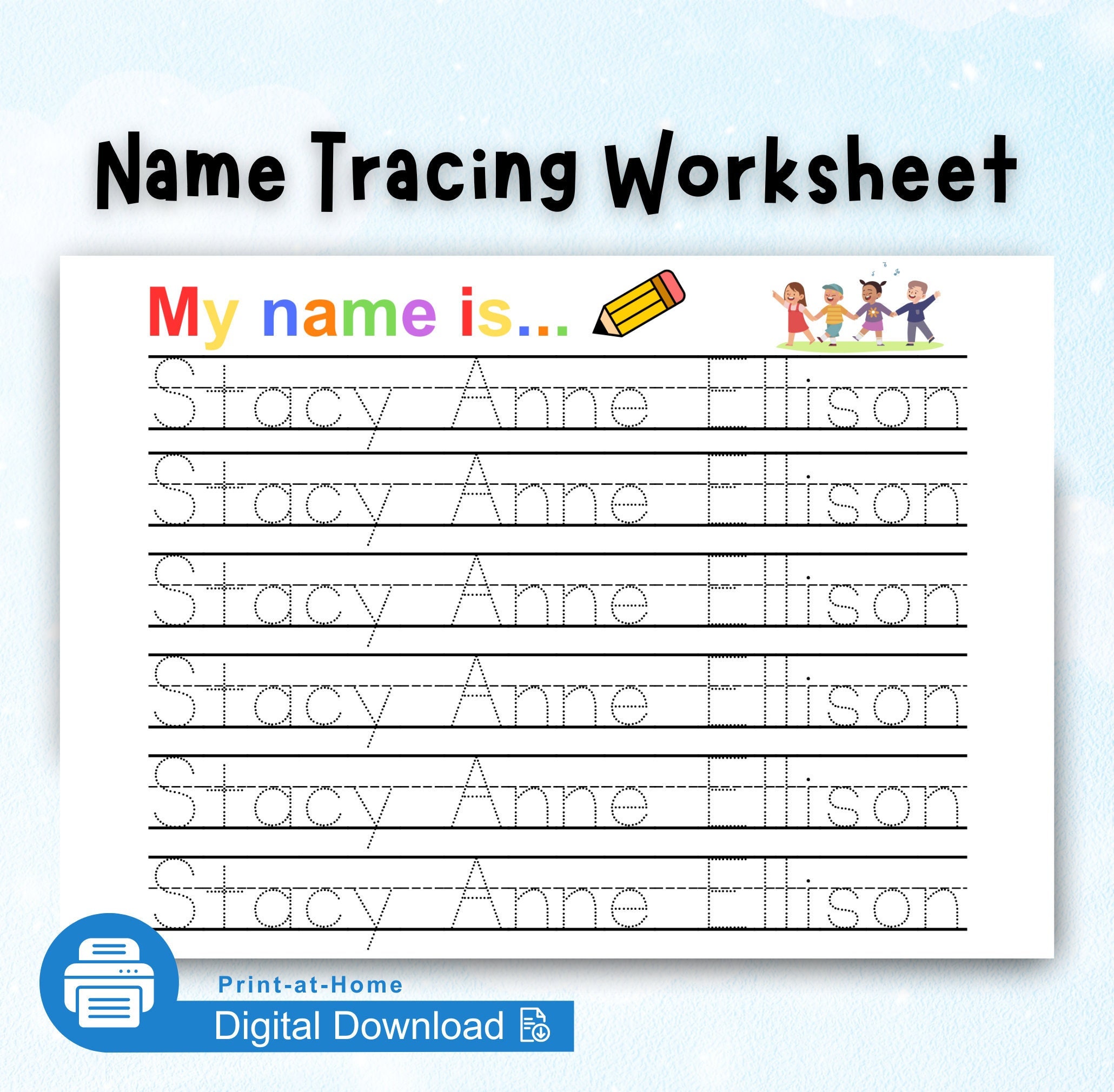
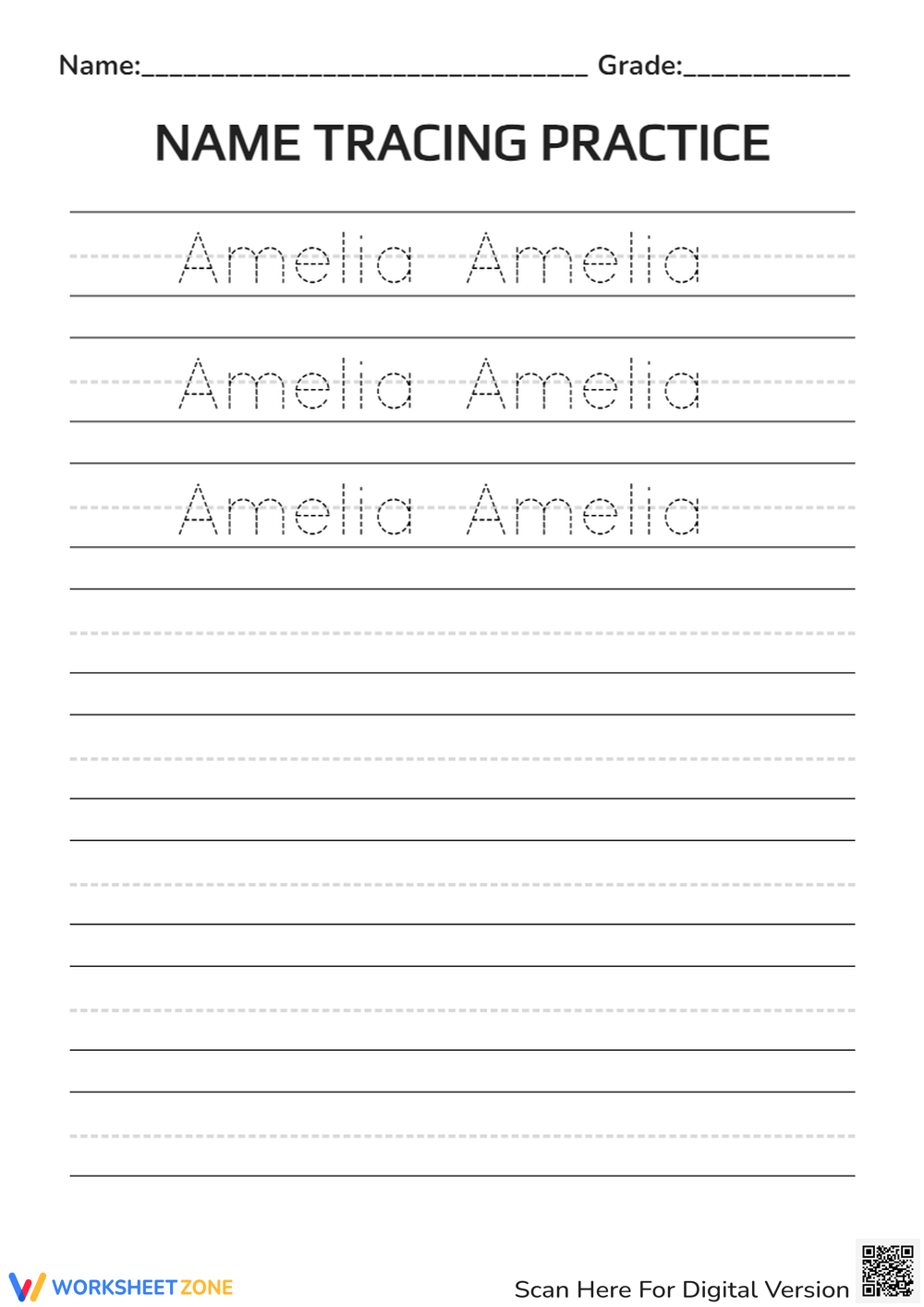
Name tracing worksheets with lines are printable resources designed for children to practice writing their names. These worksheets typically feature dotted or dashed lines that outline the letters of a child’s name, allowing them to trace along the lines. The lines serve as a guide, helping kids understand the correct shape and formation of each letter.
These worksheets are especially beneficial for preschoolers and kindergarteners, usually aged 3 to 6 years. At this stage of development, children are beginning to enhance their writing skills and learn letter recognition. By using name tracing worksheets, they can build confidence in their writing abilities while making the learning process fun.
How to Use Name Tracing Worksheets Effectively
To get the most out of name tracing worksheets with lines, here’s a step-by-step guide:
- Print the Worksheets: Choose your child’s name tracing worksheet and print it out. Most worksheets come in standard letter sizes, such as A4 or letter size (8.5 x 11 inches). Consider using cardstock for durability, especially if you plan on laminating them for repeated use.
- Gather Supplies: You’ll need some basic supplies like crayons, colored pencils, or markers. Ensure your child is comfortable with the writing tool of their choice, as this can affect their grip and control.
- Demonstrate the Activity: Before your child starts tracing, show them how to hold the writing tool properly. Demonstrate tracing over the letters, emphasizing the correct starting points and direction of strokes. Kids often benefit from seeing how it’s done.
- Start Tracing: Encourage your child to begin tracing their name. Remind them to follow the lines closely. If they struggle, offer gentle guidance and praise their efforts to boost their confidence.
- Practice Regularly: Consistency is key. Set aside time each week for your child to practice their name tracing. Repeated exposure will help reinforce their learning and improve their motor skills.
- Review Progress: After several sessions, take a moment to review your child’s work. Look for improvements in letter formation, spacing, and neatness. If you notice consistent errors, consider additional practice with specific letters.
Monitoring Progress in Name Writing
As a supportive parent, it’s important to keep track of your child’s progress with their name tracing worksheets. Here are some practical tips for monitoring their development:
- Set Goals: Establish achievable milestones for your child to reach. For example, aim for them to trace their name without guidance after a few weeks of practice. Celebrate when they accomplish these goals to keep them motivated.
- Check for Mastery: Mastery looks like the ability to trace their name with minimal assistance and increasing speed. If they can write their name independently on blank sheets without lines, that’s a sign they’ve gained confidence.
- Assess Letter Formation: Pay attention to how they form each letter. Are they consistent in their strokes? Are they writing letters in the correct order? If they struggle with specific letters, consider focusing on those during practice.
- Use Different Resources: As your child becomes more comfortable with tracing, introduce variations like blank worksheets or worksheets with different fonts. This can help them adapt to different writing styles and enhance their skills.
- Incorporate Fun Elements: To keep the practice exciting, mix in coloring pages or crafts related to their name. For instance, they could decorate a sheet featuring their name with stickers or drawings. This adds an element of creativity to their learning.
Benefits of Name Tracing Worksheets With Lines
Using name tracing worksheets with lines provides several benefits that support early childhood development:
- Fine Motor Skills Development: Tracing letters helps strengthen hand-eye coordination and grip, crucial for writing.
- Visual Learning: The visual structure of letters aids in letter recognition and understanding of shapes.
- Confidence Building: Successfully tracing their name gives children a sense of achievement, encouraging them to write more.
- Foundation for More Complex Writing: Mastering their name prepares children for writing other words and sentences as they progress in their education.
Where to Find Printable Name Tracing Worksheets
Finding name tracing worksheets is easier than you might think. Many educational websites offer free or low-cost printables. Look for sites that specialize in early childhood education resources. Here are a few tips for finding the right worksheets:
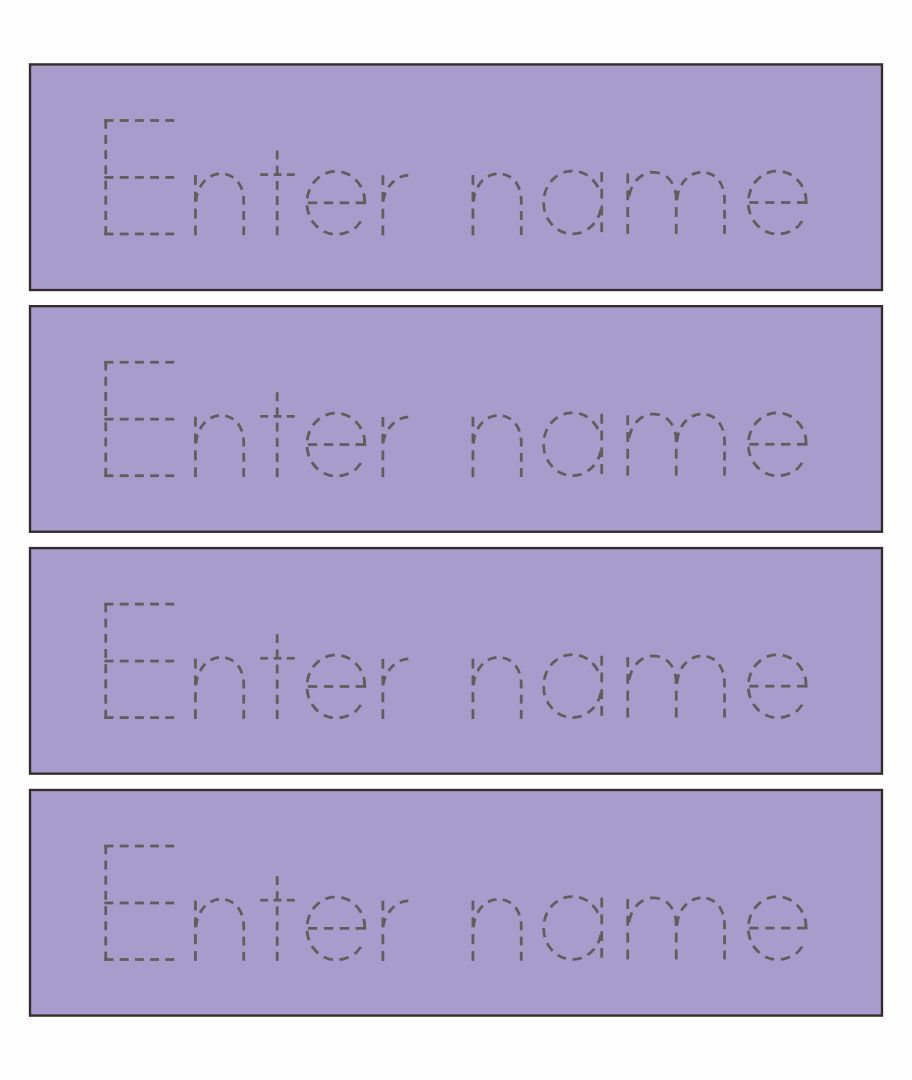
- Search Online: Use terms like “free name tracing worksheets with lines” to find various options. Many sites allow you to customize worksheets by entering your child’s name.
- Check Educational Blogs: Many parenting and education blogs provide free resources and printables. You can often find unique designs and themes.
- Pinterest: This platform is a treasure trove for creative worksheets. Search for name tracing worksheets, and you’ll discover countless ideas and resources.
