When it comes to helping children develop their writing skills, name tracing practice with lines offers a focused and effective solution. Unlike generic tracing worksheets, these specifically designed resources allow kids to practice writing their names repetitively, reinforcing letter shapes and improving motor skills. This targeted approach not only makes learning engaging but also gives children a sense of ownership and pride in their names. Let’s explore how to effectively use these printables in various settings, ensuring that your little ones can excel.
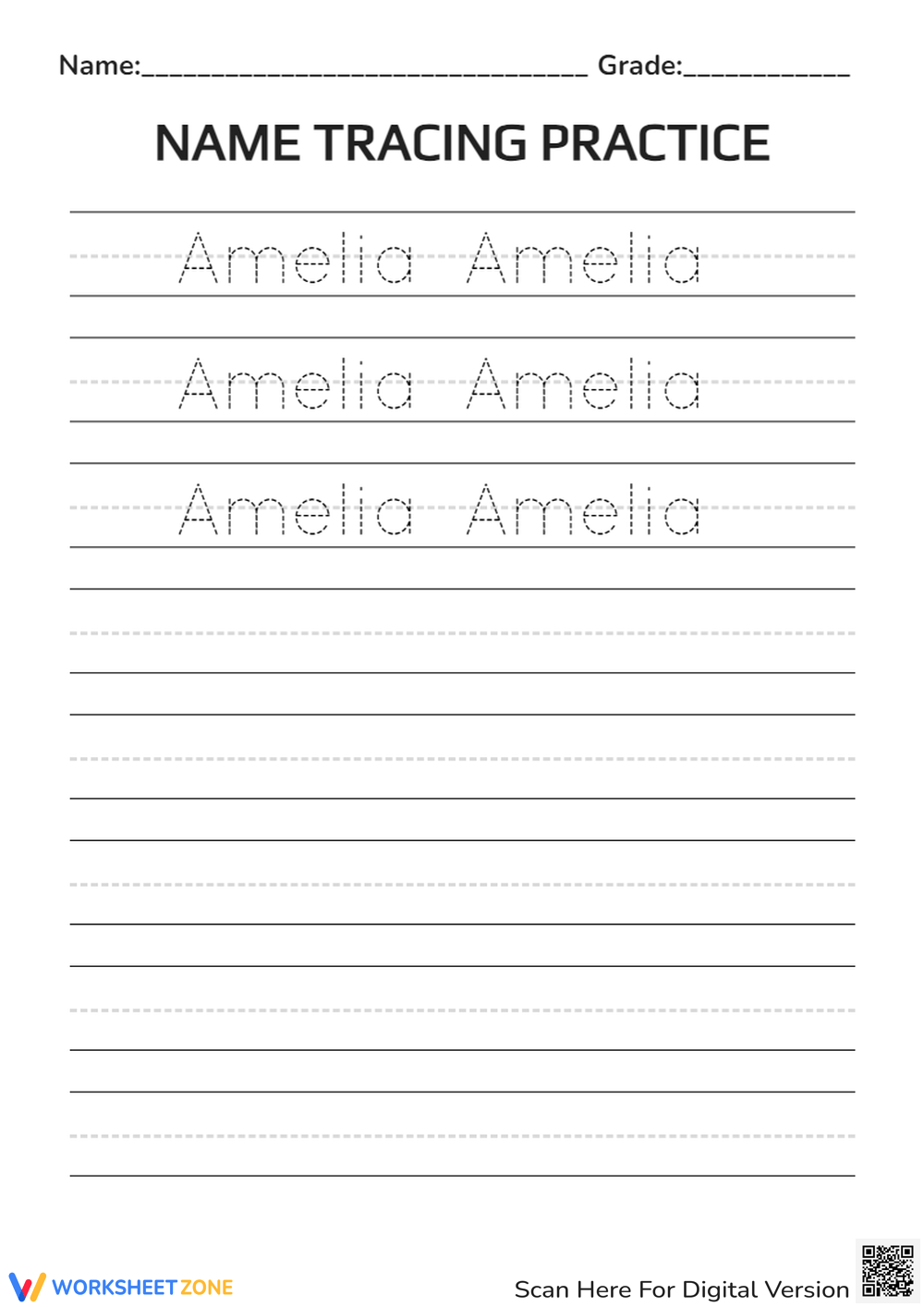
The Importance of Name Tracing Practice
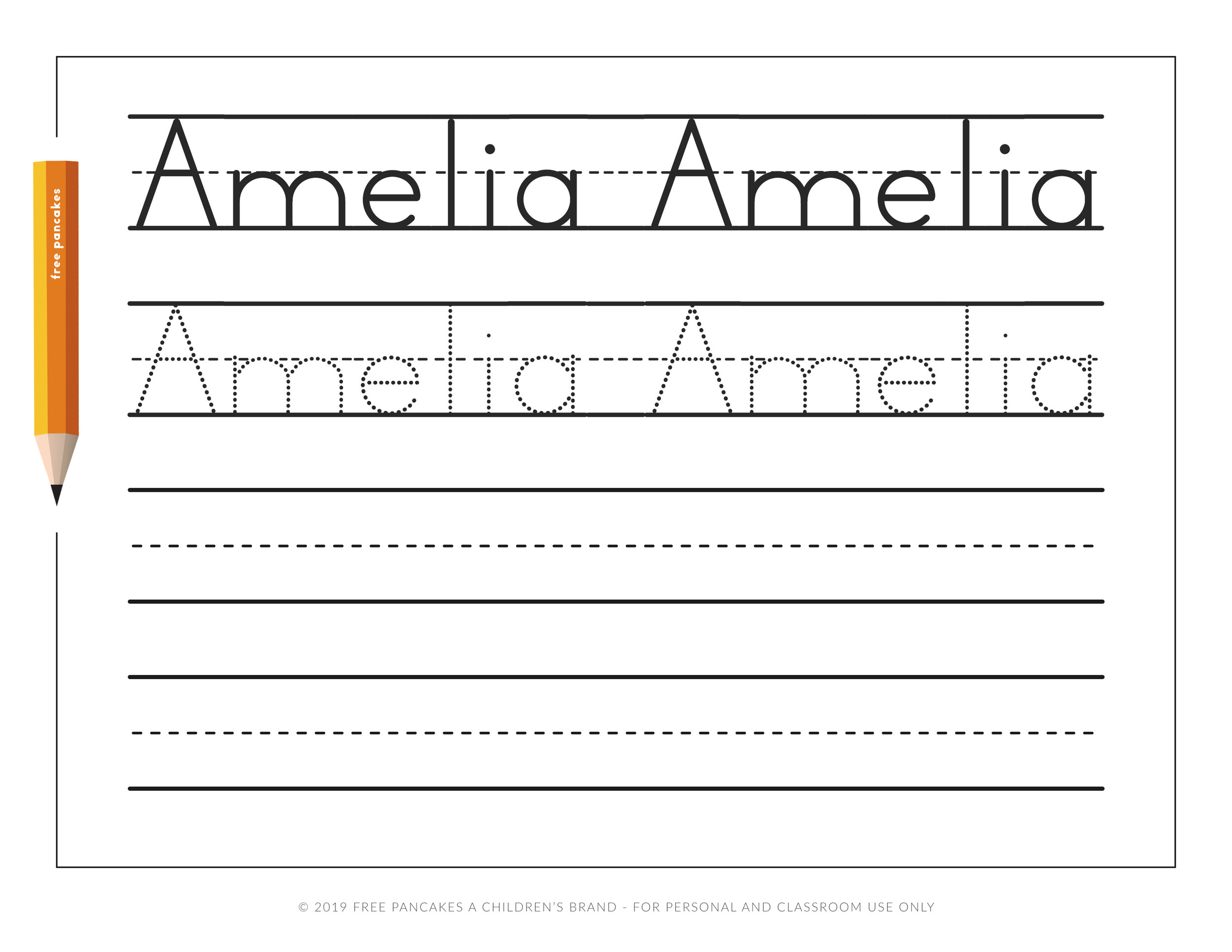
Name tracing is more than just a fun activity; it’s a vital stepping stone in early literacy development. Children begin to recognize letters and their sequence when they practice writing their names. This foundational skill is crucial as it lays the groundwork for future writing tasks.
In classrooms, name tracing can help teachers assess a child’s grip, control, and overall comfort with writing. For homeschoolers and parents, it’s a fantastic way to integrate learning into daily routines. You can even extend the activity by discussing the meaning of names, which can spark curiosity and enhance vocabulary.
Creating Effective Name Tracing Worksheets
When creating or selecting name tracing worksheets, consider a few key elements that make them effective:
- Line Types: Utilize solid, dashed, and dotted lines. Solid lines help beginners, while dashed lines provide a bit more of a challenge. Dotted lines can be great for children who are ready to start writing without guidance.
- Letter Size: Use large letters to help children get a feel for the shape of each character. This is especially important for younger kids who are just starting to write.
- Spacing: Ensure there’s enough space between letters to prevent confusion. Proper spacing helps children understand where one letter ends and another begins.
- Visuals: Incorporate fun graphics or colors that relate to the child’s interests to make the worksheet more engaging. This could be anything from animals to favorite characters.
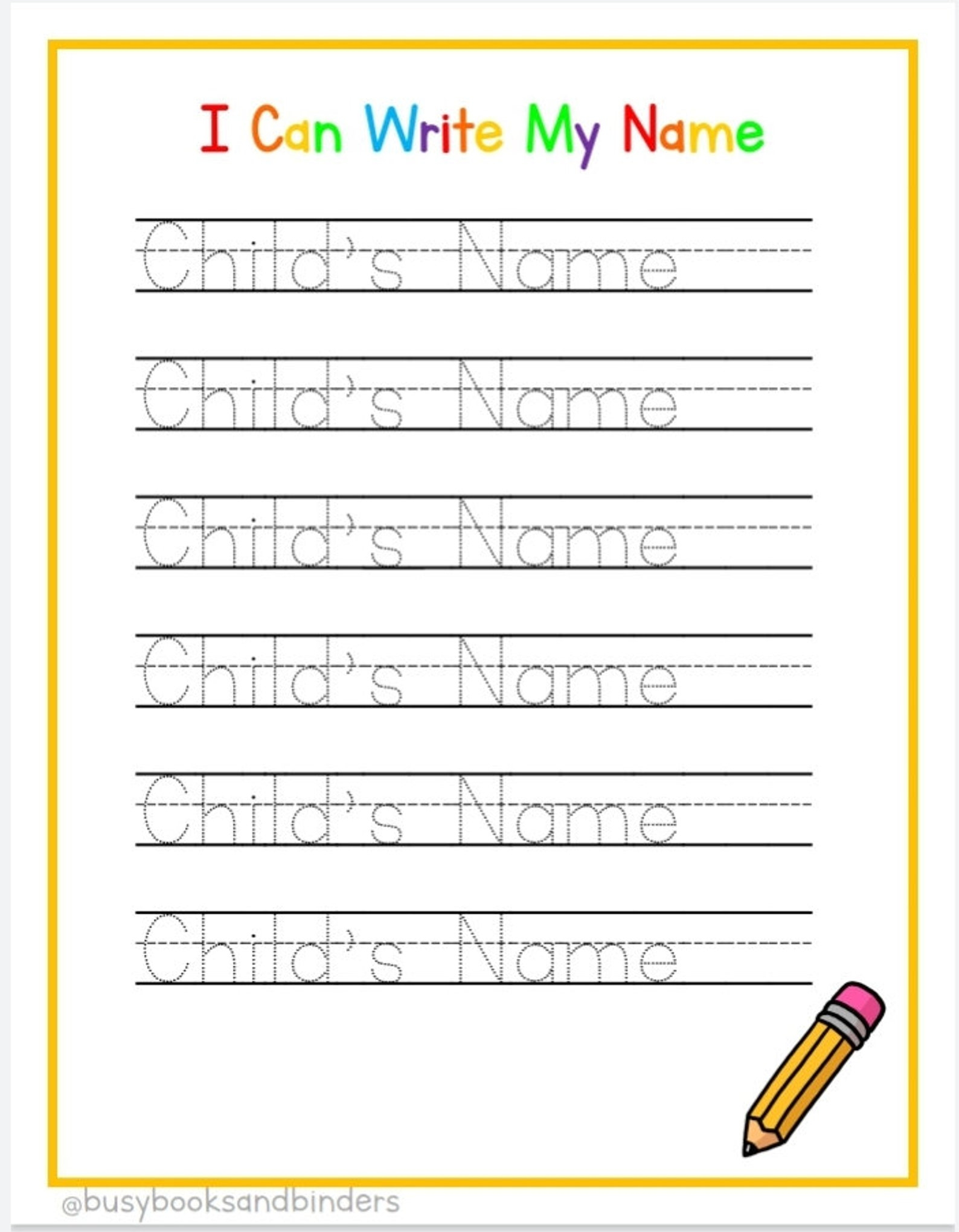
- Personalization: Name tracing worksheets should include the child’s name prominently. Personalization adds a layer of excitement and relevance to the task.
Practical Tips for Using Name Tracing Worksheets
Implementing name tracing worksheets in your routine can be straightforward. Here are some practical tips for getting the most out of these resources:
- Print in Bulk: If you’re a teacher or working with a group, print multiple copies to save time. You can prepare these in advance and keep them on hand for practice sessions.
- Use the Right Paper: For worksheets that will be reused, consider printing on cardstock. This material is sturdier and holds up better to repeated use, especially if you plan to laminate the sheets.
- Incorporate Different Tools: Encourage children to use various writing tools—crayons, markers, or pencils. Each tool provides a different tactile experience that can aid in developing fine motor skills.
- Set a Routine: Designate a specific time for name tracing practice, such as after lunch or before storytime. Consistency can help reinforce the habit and make it a fun part of your day.
- Engage with Feedback: As children practice, be present to offer encouragement and constructive feedback. Celebrate their successes and gently correct any mistakes to maintain a positive atmosphere.
Adapting Name Tracing for Different Learning Levels
Not all children learn at the same pace, so it’s essential to adapt name tracing worksheets to meet varying needs. Here’s how to cater to different levels:
- For Beginners: Start with solid lines and larger fonts. Focus on just one letter at a time before introducing the whole name.
- For Intermediate Learners: Incorporate dashed lines and gradually decrease the size of the letters. Encourage them to trace their names more independently.
- For Advanced Learners: Once they’re comfortable, challenge them with additional tasks, like writing their names from memory or creating sentences using their names.
- Mixed-Ability Groups: In a classroom setting, provide tiered worksheets where each child can work at their own level. This keeps everyone engaged and learning at a comfortable pace.
Incorporating Name Tracing Into Broader Learning Activities
Name tracing can be seamlessly integrated into other learning activities. Here are a few creative ideas:
- Art Projects: Have children decorate their names after tracing them. This could include drawing pictures that start with the same letter or creating a name collage.
- Story Time: Read stories that feature characters with similar names to the children. Discuss the names and their meanings, linking back to the tracing activity.
- Games: Turn name tracing into a game. For example, you could have children race to see who can trace their name the fastest or who can create the most creative version of their name.
- Daily Journals: Encourage kids to keep a journal where they write their names at the top of the page each day. This reinforces their learning in a practical context.
Monitoring Progress and Celebrating Achievements
As with any educational activity, monitoring progress is crucial. Regularly assess how well children are doing with their name tracing practice. You might consider:
- Creating a Progress Chart: This visual representation can motivate children as they see their improvement over time.
- Setting Goals: Encourage children to set personal goals. For instance, they might aim to trace their name without looking at the letters or do it in a certain time.
- Celebrating Milestones: Recognize achievements, no matter how small. This could be through a sticker chart or a simple praise that acknowledges their hard work.
It’s important to note that while name tracing practice with lines is an effective tool, some children may struggle with fine motor skills. If you notice frustration or difficulty, consider pairing tracing with other activities that build hand strength, like playdough or cutting shapes.
By taking the time to incorporate name tracing practice into your educational toolkit, whether at home or in the classroom, you’ll be setting the stage for a lifetime of writing success.
