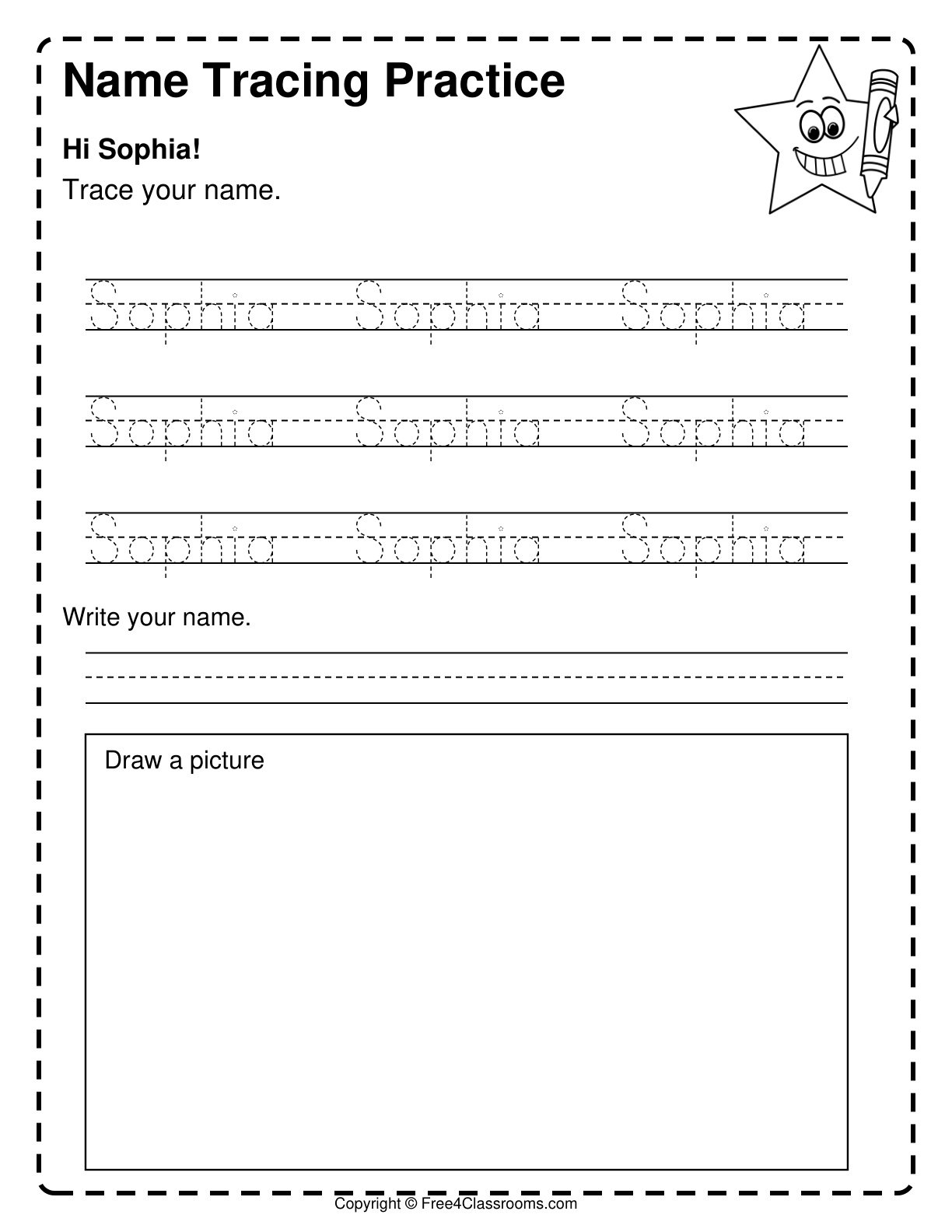
Name practice worksheets for preschool are a fantastic way to support young children in learning to recognize and write their names. Typically formatted in PDF, these worksheets are designed to be simple yet effective, often featuring large, clear letters that children can trace. This resource not only aids in name recognition but also fosters fine motor skills and builds confidence as they see their names take shape on the page.
Printable Name Practice Worksheets: Easy to Use
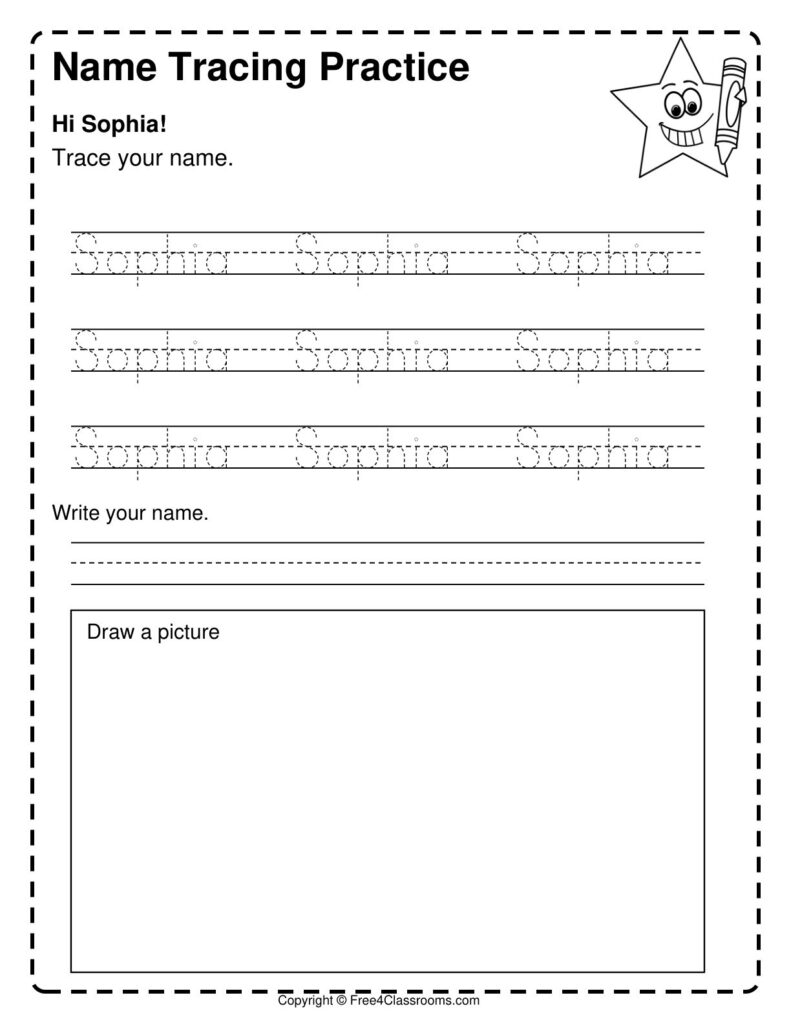
When it comes to name practice worksheets, the convenience of printable formats cannot be overstated. Most worksheets are available as PDFs, which means they can be easily downloaded, printed, and used right away. You can print multiple copies to ensure that every child in your classroom has access.
To get started, simply:
- Choose your worksheet. Look for templates that suit your needs, such as those featuring tracing lines, dotted letters, or even fun illustrations.
- Download the PDF. Most resources are offered as free downloads, making it easy to access a variety of styles.
- Print your worksheets. Standard letter size (8.5 x 11 inches) works best for most home printers. If you plan to laminate them for repeated use, consider printing on heavier cardstock for durability.
- Distribute to your students. Hand out the worksheets during a designated writing time or as part of a larger lesson plan focusing on name recognition.
This straightforward workflow allows you to seamlessly incorporate name practice into your daily routine, making it easier for your students to engage with their learning.
Editable Name Practice Worksheets: Personalize for Every Child
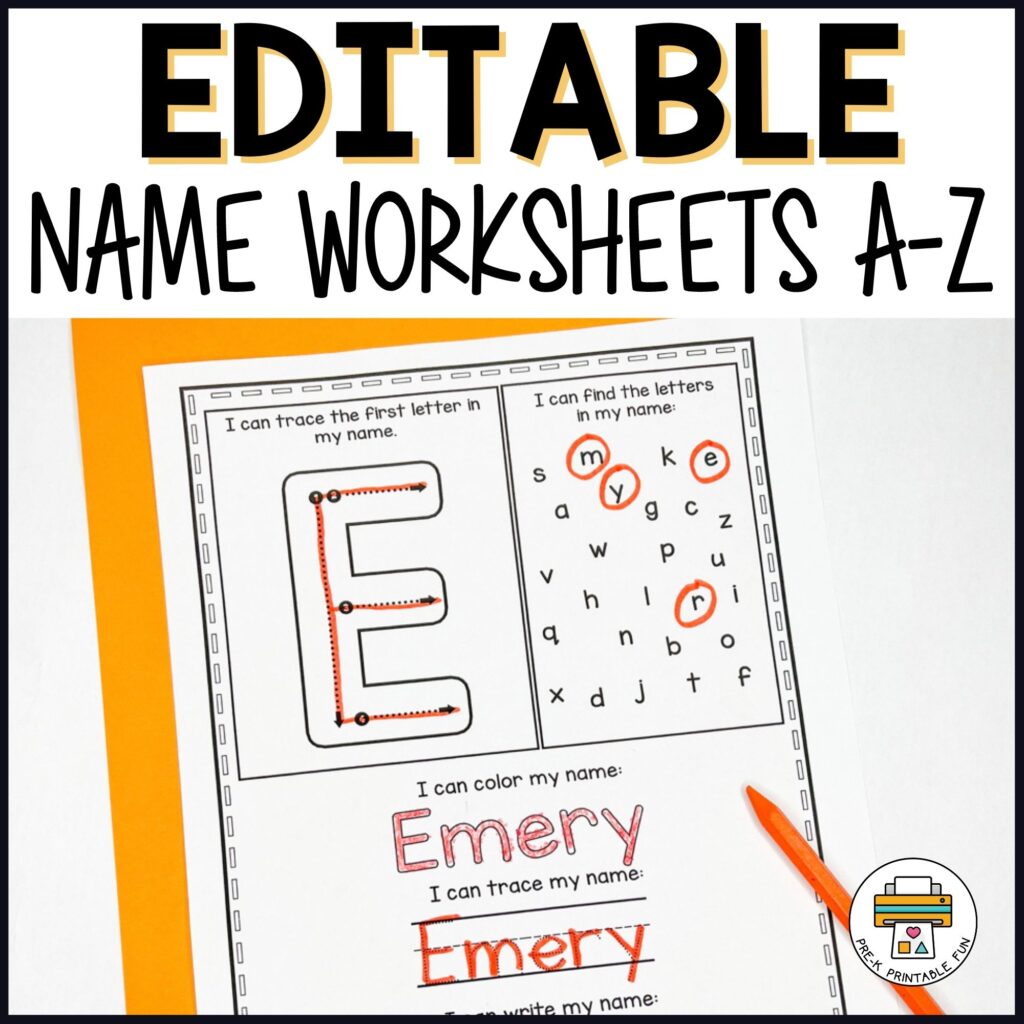
One of the most beneficial features of name practice worksheets is the ability to personalize them. Editable versions allow you to customize the worksheets with each child’s name, making the learning experience more relevant and engaging.
To utilize editable worksheets:
- Find a template that allows for customization. Many resources offer editable templates where you can type in names directly.
- Input each child’s name. This personalized touch helps children connect with the material since they are practicing with their actual names.
- Save and print. After customizing, save your work and print the sheets. Again, consider using cardstock if you intend to laminate them for repeated use.
Personalized worksheets not only enhance engagement but also provide a sense of ownership for the child, which can encourage them to take pride in their writing.
Blank Name Practice Worksheets: Freedom to Create
For a more open-ended approach, blank name practice worksheets can be incredibly valuable. These allow children to practice writing their names without a template, which can enhance their creativity and confidence.
Here’s how to effectively use blank worksheets:
- Print blank name templates. Look for options that provide ample space for children to write their names freely.
- Encourage creative expression. Allow kids to decorate their names with drawings or colors, turning the activity into a fun art project as well.
- Incorporate different writing tools. Using crayons, markers, or colored pencils can make the exercise more enjoyable for young learners.
This type of worksheet not only promotes name writing but also encourages children to express their individuality, making learning feel less like a task and more like an adventure.
The Importance of Name Recognition in Early Learning
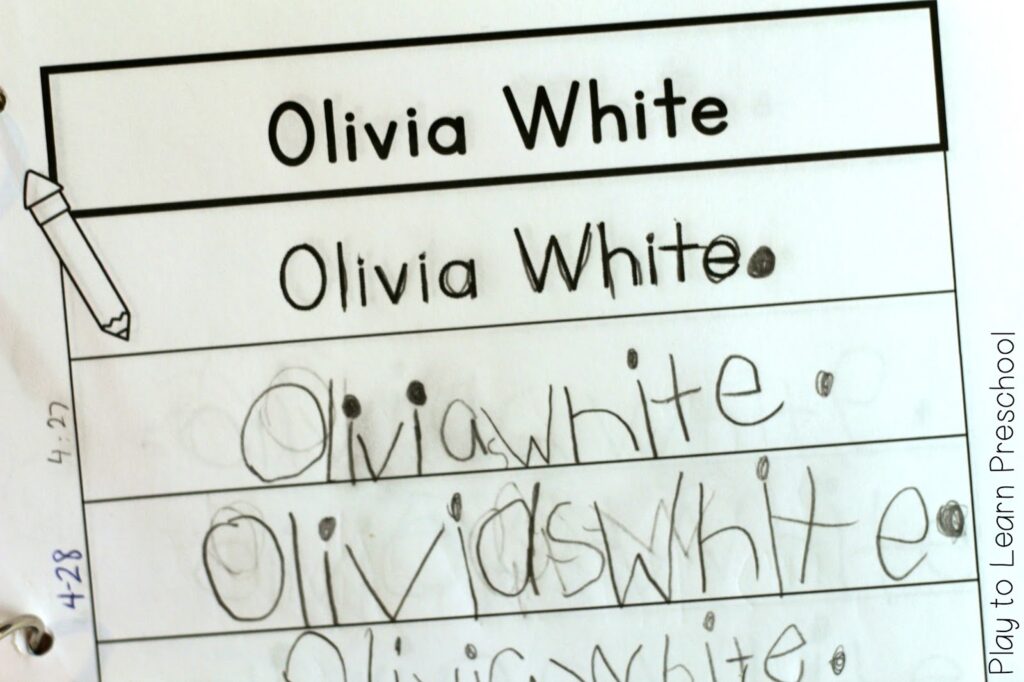
Integrating name practice worksheets into your curriculum is more than just helping children learn how to write their names. It plays a crucial role in their overall development. Name recognition is often one of the first literacy skills a child develops, and it lays the groundwork for future reading and writing abilities.
Here’s why focusing on name recognition matters:
- Boosts self-esteem. When children see their names on the page, they feel a sense of pride and ownership in their identity.
- Supports literacy skills. Recognizing letters and practicing writing helps build the foundation for reading and writing as they progress in their education.
- Enhances fine motor skills. Tracing and writing names helps develop the hand-eye coordination and dexterity needed for more complex writing tasks in the future.
By using name practice worksheets, you’re not just teaching letters; you’re fostering a love for learning that can last a lifetime.
Incorporating name practice worksheets for preschool into your teaching toolkit is a simple yet effective way to support young learners in their early educational journeys. Whether you opt for printable, editable, or blank versions, these resources are invaluable in helping children recognize and take pride in their names. A specific detail to keep in mind when using these resources is that portrait layout tends to work better for most home printers, ensuring that the worksheets look great when printed.
