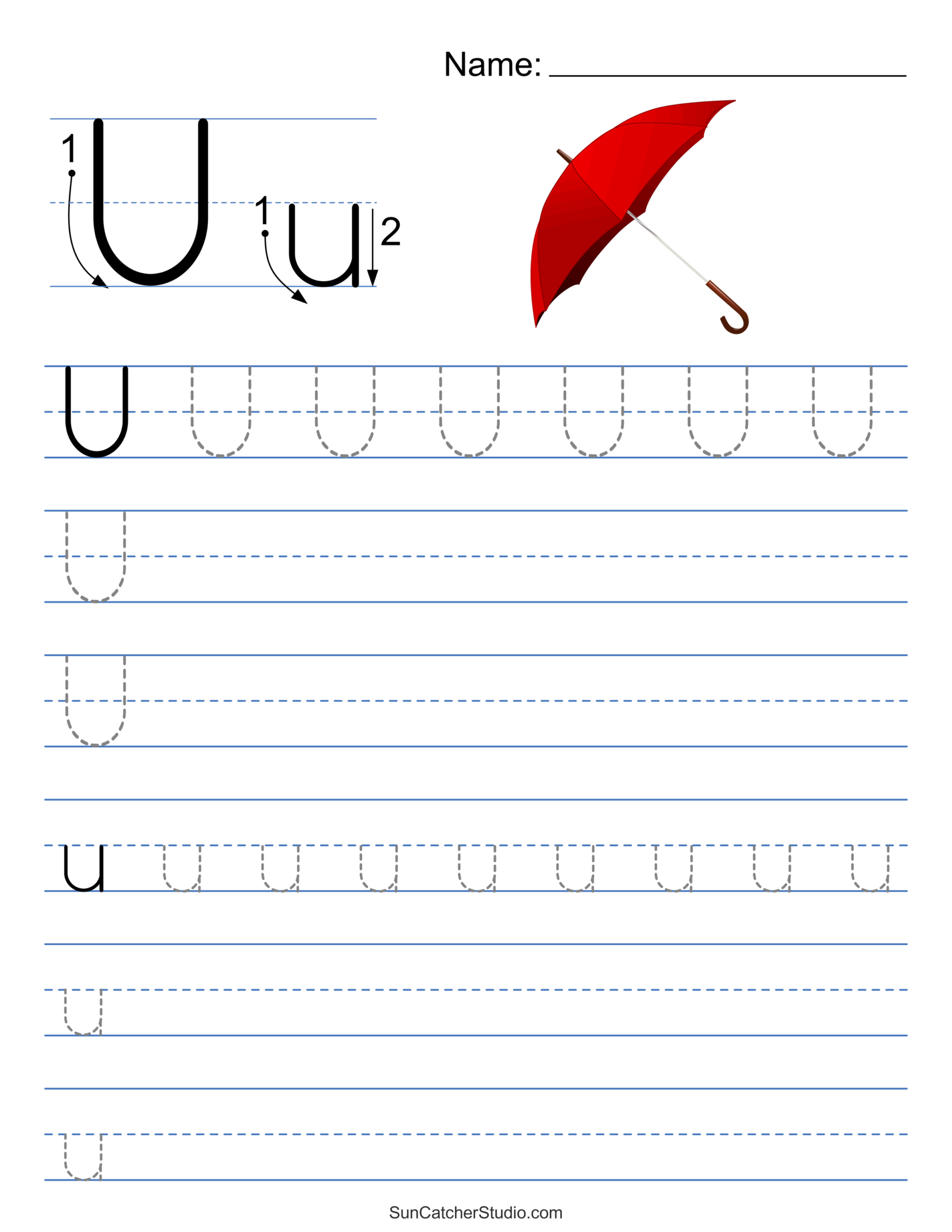
Letter tracing worksheets for preschoolers are essential tools for early literacy development. They provide a structured way for young learners to practice letter formation and recognition. Using these worksheets, teachers can create a fun and engaging classroom environment that reinforces essential skills. In this guide, we’ll explore various types of letter tracing worksheets, how to make the most of them, and practical tips for enhancing your preschoolers’ learning experience.
Printable Pdf Letter Tracing Worksheets
When it comes to letter tracing worksheets for preschoolers, printable PDF formats are often the most convenient. PDFs maintain their formatting across different devices, ensuring that your worksheets look exactly as intended when printed. This is crucial for maintaining the integrity of the letters and lines that preschoolers need to trace.
You can easily find free downloadable options online. Look for worksheets that offer a variety of letters, both uppercase and lowercase. Typically, these worksheets range from single letters to entire words, allowing for progressive learning.
When printing, consider using standard A4 or letter-sized paper for best results. Adjust your printer settings to “portrait” layout, as this is generally the most suitable orientation for tracing. If your printer allows, use a higher quality print setting for clearer lines, which can help young learners better follow the tracing paths.
Editable Letter Tracing Worksheets for Personalized Learning
Editable letter tracing worksheets are an excellent choice for teachers looking to tailor their resources. These worksheets allow you to modify the content according to your students’ needs. For instance, you can add specific letters that your students are struggling with or include their names for a personalized touch.
Many educational websites offer templates in formats like Google Docs or Microsoft Word, making it easy to edit. This flexibility encourages engagement, as students are more likely to enjoy tracing letters that are relevant to them.
When using editable worksheets, ensure you save the final version as a PDF before printing. This prevents any unintended changes to the layout during printing. Pair this with verbal reinforcement, encouraging students to say the letter aloud as they trace, which can enhance their memory and recognition skills.
Blank Letter Tracing Worksheets for Creative Expression
Blank letter tracing worksheets provide an innovative way for preschoolers to practice their writing skills. These worksheets typically feature dashed outlines of letters, allowing students to trace over them. However, you can also leave sections blank for students to practice writing the letters independently.
Using blank tracing sheets encourages creativity. You can integrate fun themes, like animals or seasonal motifs, where children can decorate their letters with drawings or stickers. This not only makes the activity enjoyable but also helps them connect letters with real-world objects.
When preparing blank worksheets, consider including a small image or word that starts with the letter being traced. For example, for the letter “A,” include an apple graphic. This multi-sensory approach—tracing, saying the letter, and associating it with an object—can significantly enhance learning retention.
Thematic Letter Tracing Worksheets for Seasonal Learning
Thematic letter tracing worksheets can make learning more engaging and relevant. Consider creating or downloading worksheets that align with holidays or seasonal themes. For instance, worksheets themed around Christmas might include letters that spell out “S” for “Santa” or “R” for “Reindeer.”
These worksheets not only teach letter recognition but also immerse students in the festive spirit. You can pair the tracing activities with stories or songs that relate to the theme. This integration of different learning modalities—visual, auditory, and kinesthetic—can create a richer educational experience.
When using thematic worksheets, aim to include a variety of activities. For example, mix tracing with matching games or coloring pages that relate to the letters. This variety helps maintain interest and reinforces learning through different avenues.
letter tracing worksheets for preschoolers are versatile tools that can be adapted to suit various teaching styles and learning needs. By utilizing printable PDFs, editable formats, blank worksheets, and themed resources, you can create a comprehensive and engaging curriculum that fosters early literacy skills. To enhance your students’ learning, remember to incorporate multi-sensory experiences that connect letters with sounds and real-world objects. This approach will not only help them master letter formation but also instill a love for learning that lasts a lifetime.
