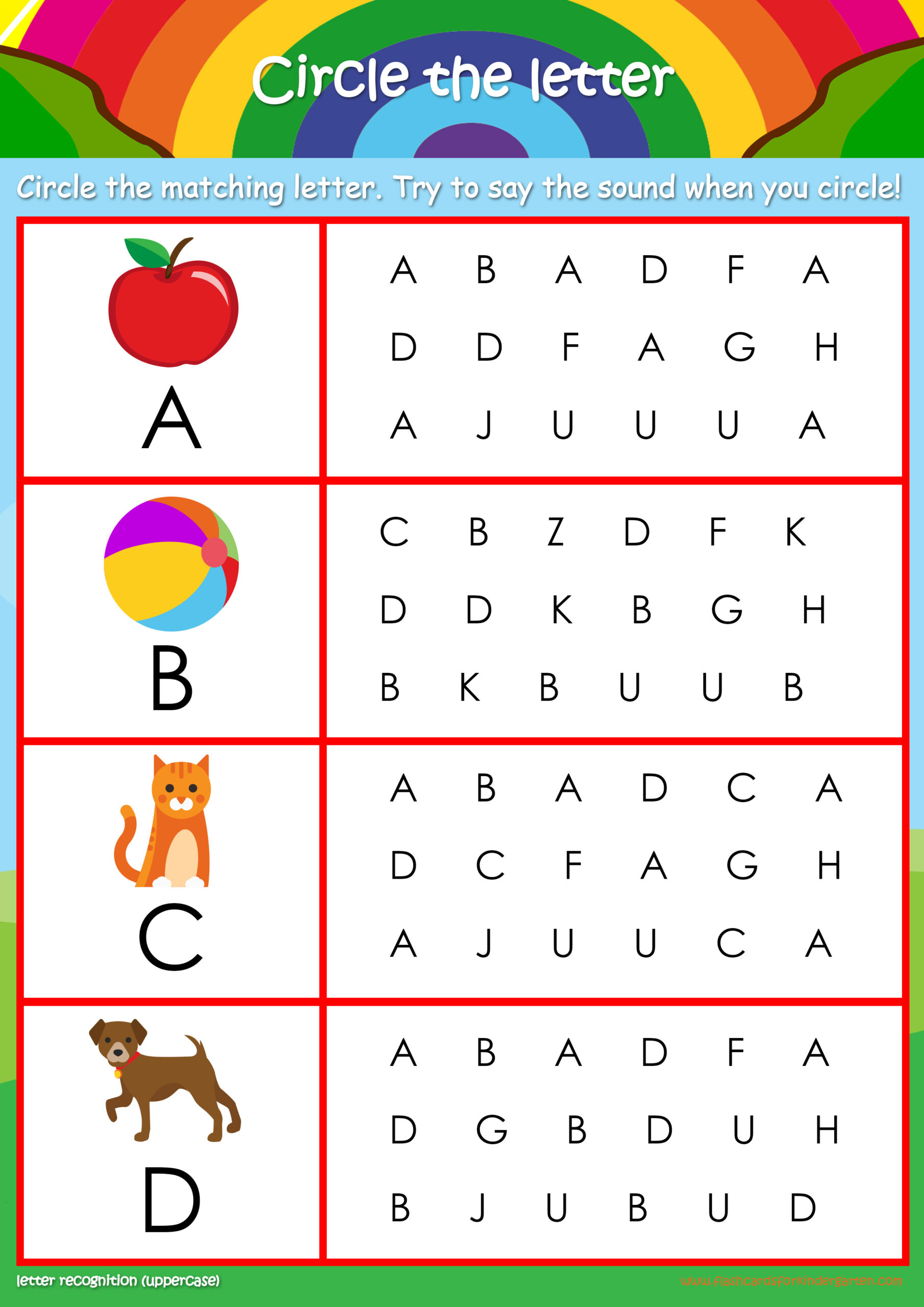
As Emma sat at her kitchen table, her five-year-old son Max flipped through a colorful stack of worksheets. It was time for letter recognition activities for kindergarten, and today, they were going to make learning fun. With a mix of excitement and a bit of hesitation, Max picked up a worksheet adorned with friendly cartoon characters. He was ready to look at the world of letters and sounds, and with the right activities, he’d be off to a great start.
In kindergarten, mastering letter recognition is crucial for literacy development. It forms the foundation for reading and writing, and engaging activities can make this process enjoyable. In this article, I’ll share various practical activities that can easily be printed and used at home or in the classroom.
Printable Letter Recognition Worksheets
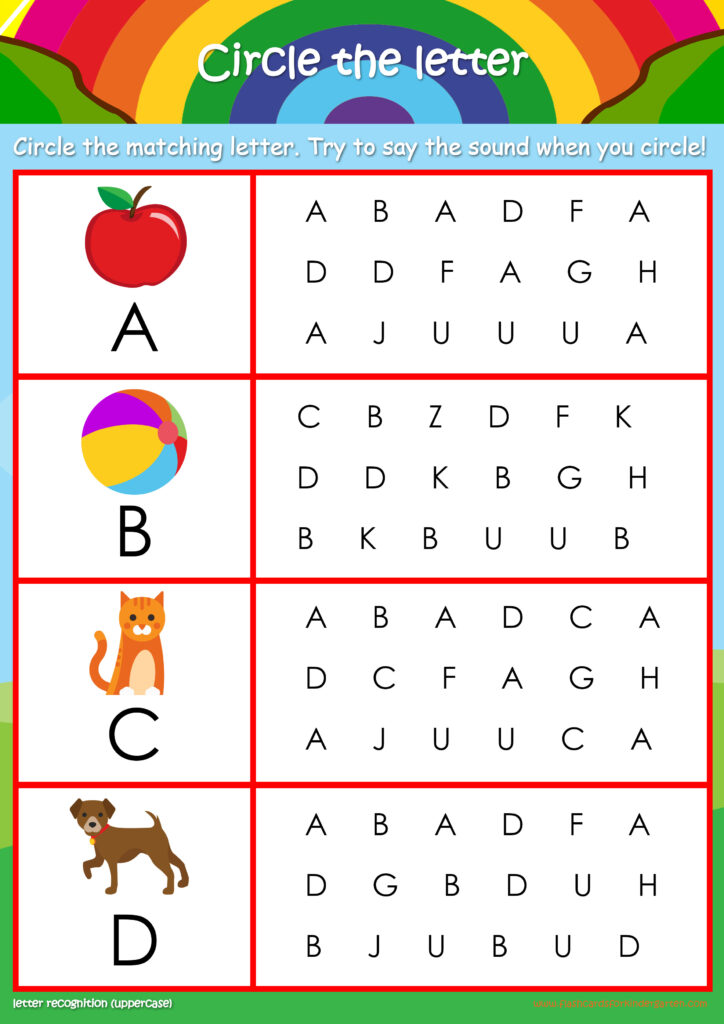
Printable worksheets are a fantastic resource for reinforcing letter recognition. These worksheets often come in PDF format, making them easy to download, print, and use. Look for those with a variety of activities, like tracing letters, identifying uppercase and lowercase forms, and matching letters to pictures.
Engaging Worksheet Activities
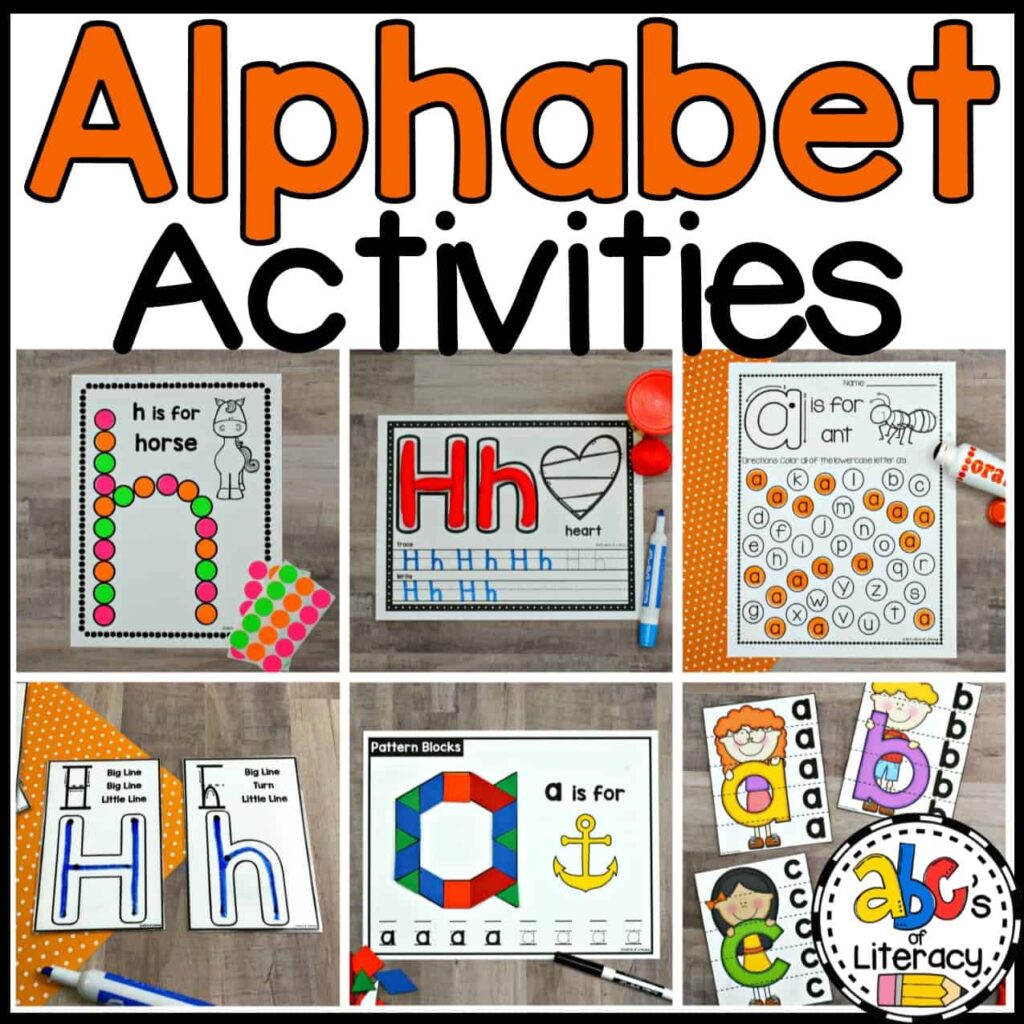
To keep young learners engaged, choose worksheets that incorporate colorful images and fun fonts. For example, a worksheet might include a section where children trace the letter ‘A’ while identifying pictures of apples and alligators. This not only helps with letter recognition but also builds vocabulary.
When printing these worksheets, make sure to use standard letter-sized paper (8.5 x 11 inches) for convenience. If you plan to reuse these worksheets, consider printing them on cardstock for durability or laminating them so that kids can use dry-erase markers.
Interactive Letter Games
Games are a dynamic way to encourage letter recognition. Incorporating play into learning helps children absorb information more effectively. You can create a variety of letter games that can be printed and played right away.
Bingo and Matching Games
Bingo is a classic game that can be adapted for letter recognition. Create bingo cards with different letters and call out letters for the children to mark. This can be printed easily and used repeatedly. Alternatively, matching games can be made by printing cards with letters on one set and corresponding images on another. This encourages children to connect letters with their sounds and meanings.
You can tailor these games to fit different skill levels. For instance, beginners might focus on matching uppercase letters, while advanced learners could match lowercase letters or even words.
Coloring Pages for Letter Recognition
Coloring pages are not only enjoyable but also serve as an excellent tool for reinforcing letter recognition. By integrating art into learning, you can capture children’s attention while helping them become familiar with letters.
Thematic Coloring Sheets
Consider using themed coloring pages that incorporate letters. For instance, a coloring page featuring the letter ‘B’ might have a big balloon and a bear. As children color, they can practice saying the letter and its sound. You can create these pages yourself or find downloadable versions online.
When printing coloring pages, opt for a standard paper weight to make it easy for kids to color without tearing. Set a fun atmosphere by providing different coloring materials, such as crayons, markers, or colored pencils.
Hands-on Letter Recognition Activities
Sometimes, the best way to help children learn is through hands-on activities. These activities can be easily set up using common household items or materials you can print out.
Letter Sensory Bins
A sensory bin filled with materials that represent letters can be an exciting way for children to explore letter recognition. Fill a large container with rice or sand and hide letter cards within. Children can dig through the bin to find letters, practicing their names as they go. You can print letters on cardstock for durability.
Another option is to create letter crafts. For example, children can cut out letters from colorful paper and glue them onto a poster. This not only helps them recognize letters but also strengthens fine motor skills.
Digital Resources for Letter Recognition
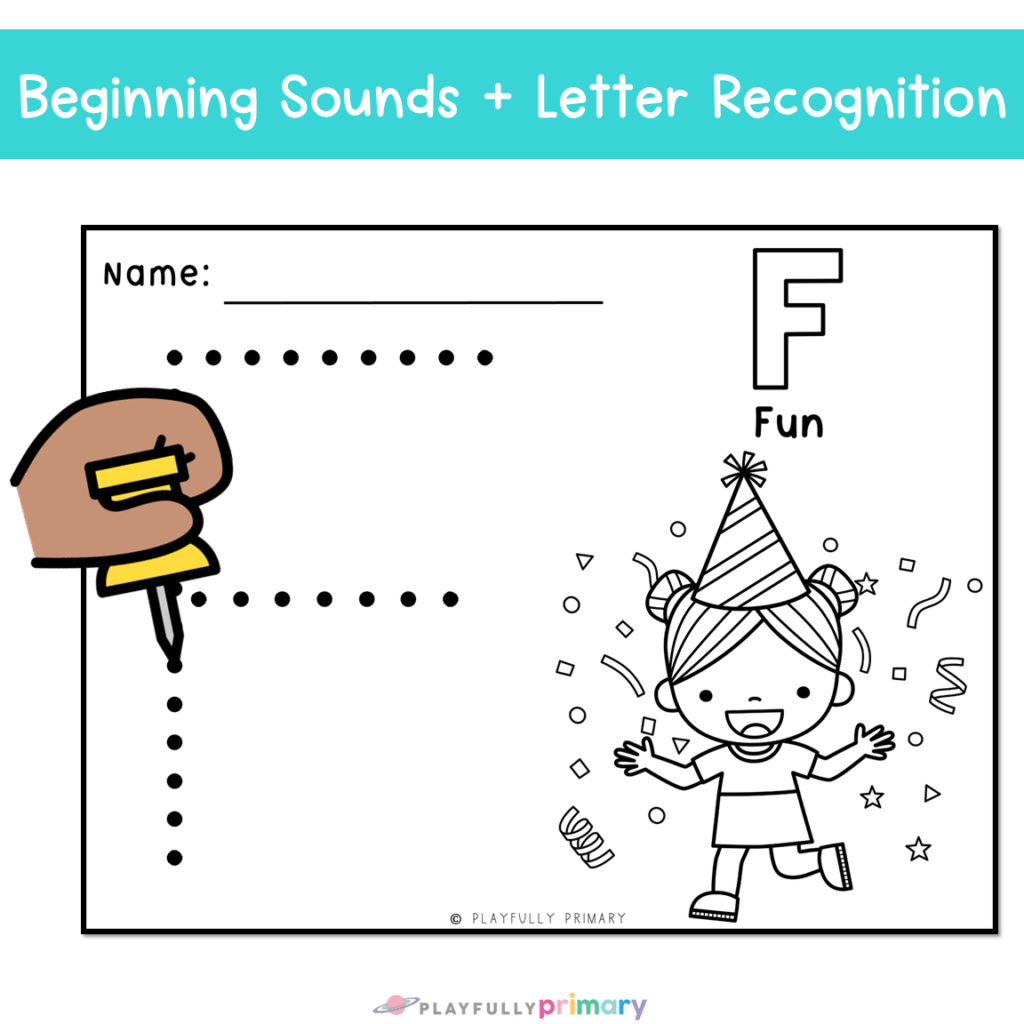
today, utilizing technology can enhance learning experiences. Many resources are available online that provide interactive letter recognition activities. These can be great supplements to printable resources.
Downloadable Apps and Games
Several educational apps focus on letter recognition and can be a fun way for children to practice. Look for apps that allow children to trace letters, play interactive games, or even learn songs about the alphabet. While these are digital, they can complement the hands-on and printable resources you already use.
Encourage children to use these apps as part of their learning routine. Set limits on screen time and balance it with physical activities and printable worksheets for a comprehensive approach to learning.
As you explore these letter recognition activities for kindergarten, remember that the goal is to make learning enjoyable and accessible. With a variety of resources at your fingertips, you can easily engage young learners in the world of letters. If you are printing worksheets, setting up games, or using digital tools, there are countless ways to help children master letter recognition in a fun and effective manner.
