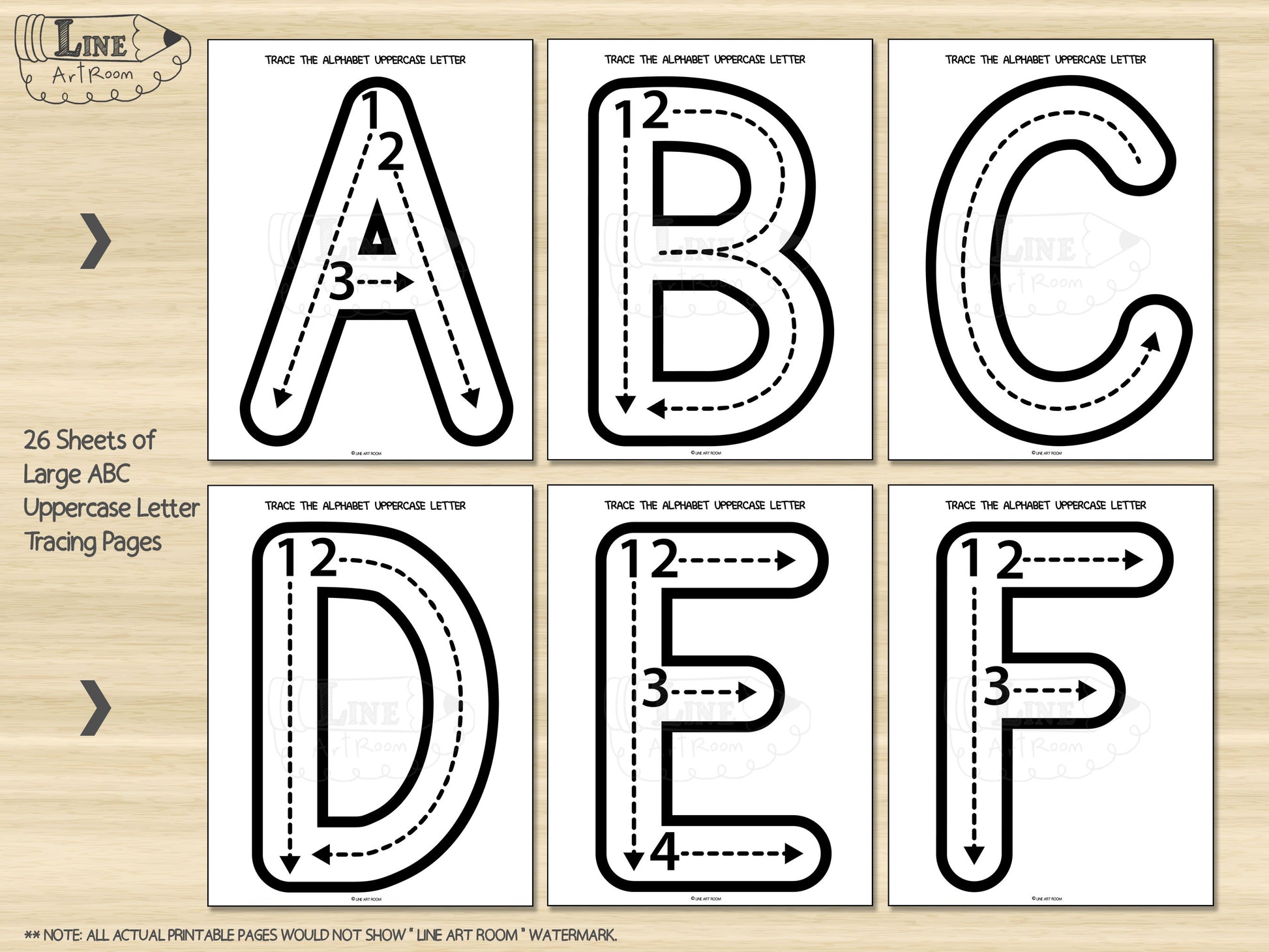
Using large alphabet letters for tracing can transform the way students learn to write. This specific resource stands out from others because it is designed not just for visual tracing, but for multi-sensory reinforcement. By pairing the act of tracing with vocalization and association with familiar objects, you can create a rich learning environment. This guide will help you effectively utilize these resources to bolster handwriting skills in your classroom or at home.
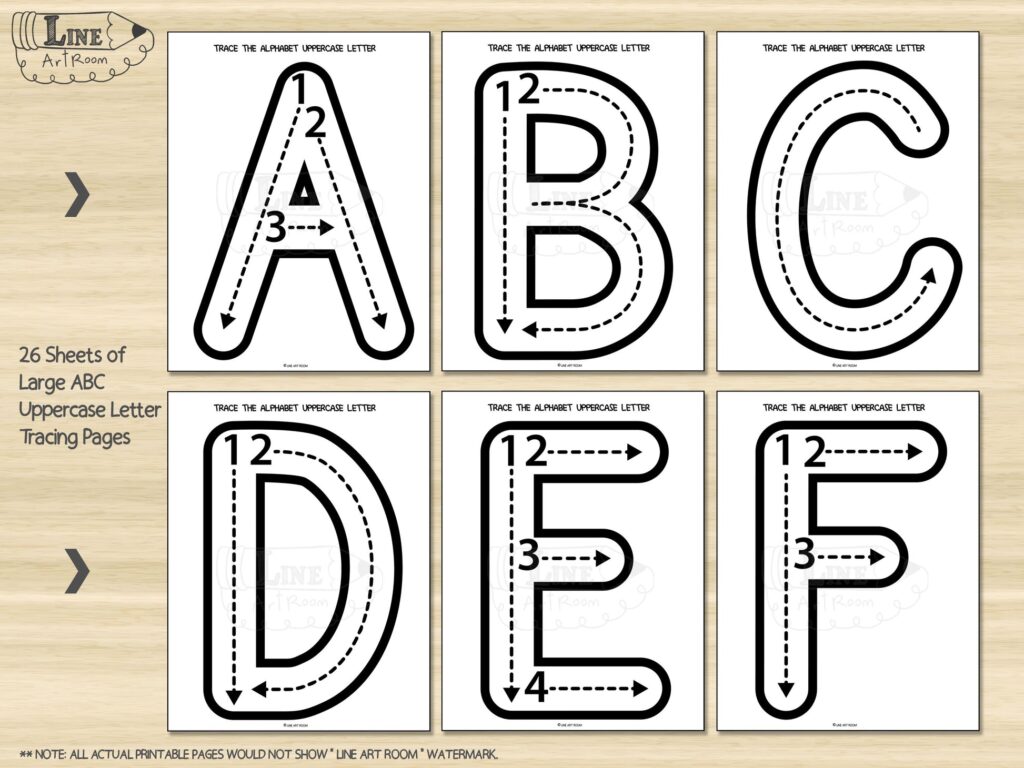
Printable Large Alphabet Letters in Pdf Format
One of the best features of large alphabet letters for tracing is their availability in PDF format. This file type ensures that the layout remains consistent across different devices and printers. When you download a PDF, you’ll notice that it’s ready for printing without any reformatting issues that often accompany image files.
For optimal results, print these letters on standard letter-sized paper (8.5 x 11 inches). You might also consider cardstock, which provides a sturdier surface for tracing. If you plan to laminate the sheets for repeated use, cardstock will hold up better over time. You can easily print these letters at home using a standard inkjet or laser printer, but make sure to select the portrait layout in your print settings to maximize space on the page.
Incorporating Multi-sensory Learning With Tracing Letters
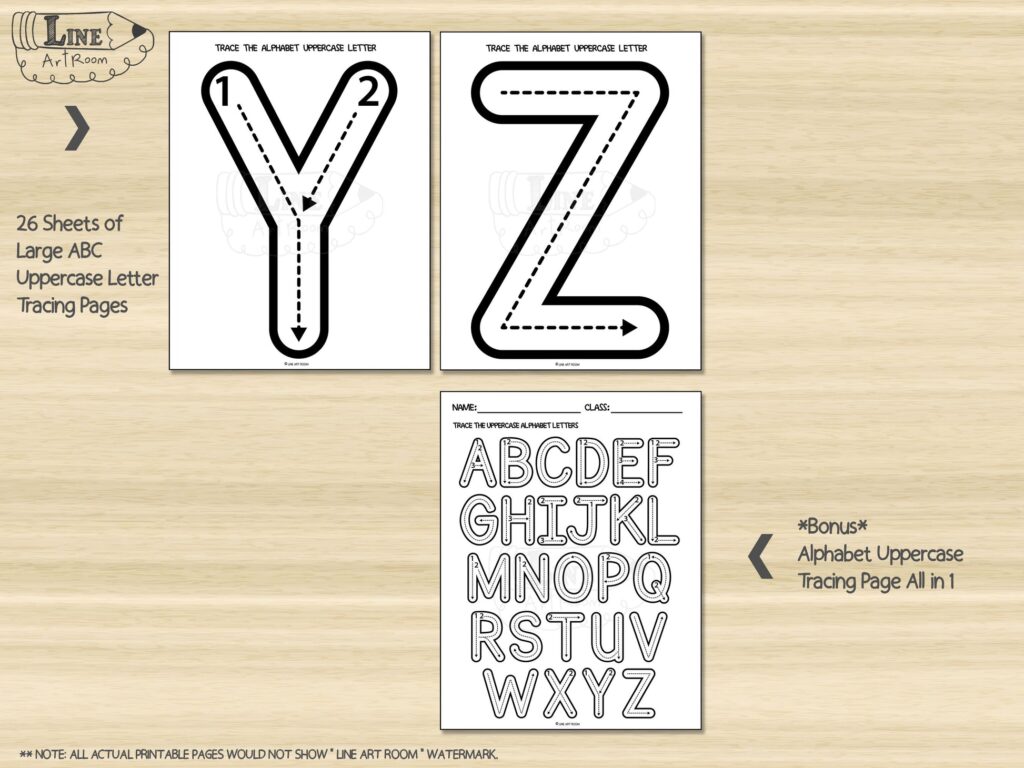
Multi-sensory learning is crucial for effective education, and large alphabet letters for tracing lend themselves perfectly to this approach. As students trace each letter, encourage them to say the letter aloud. This reinforces their learning through auditory and kinesthetic channels. For example, when tracing the letter “A,” you might say, “A is for apple.” Associating the letter with a familiar object helps solidify their understanding.
You can enhance this experience by using a variety of materials. Try using colored markers or crayons for tracing; students might enjoy the added tactile feedback of different writing instruments. This variation keeps the activity engaging and can cater to different learning styles.
Blank Tracing Letters for Customization
Providing blank tracing letters allows for customization and creativity. This version is particularly useful for students who may need extra practice or for those who benefit from a more open-ended assignment. You can create a blank template where students fill in the letters themselves, which can further reinforce their learning.
Consider using blank tracing letters for specific themes or subjects. For instance, during a holiday season, you can create themed letters, like “S” for “snowman” or “C” for “candy cane.” This not only makes the activity more relevant but also ties in holiday learning objectives.
Editable Large Alphabet Letters for Personalization
Editable large alphabet letters for tracing are another fantastic resource. They allow teachers and parents to tailor the content to fit individual student needs or specific classroom themes. Using a simple word processor or design software, you can adjust the size, font, and even the color of the letters.
Imagine creating a worksheet with the child’s name in large letters for tracing. This personal touch can significantly motivate students. They’ll be more engaged when they see their name or favorite objects associated with the letters they are learning. This version is particularly helpful for differentiated instruction, as you can easily adjust the difficulty level based on your students’ needs.
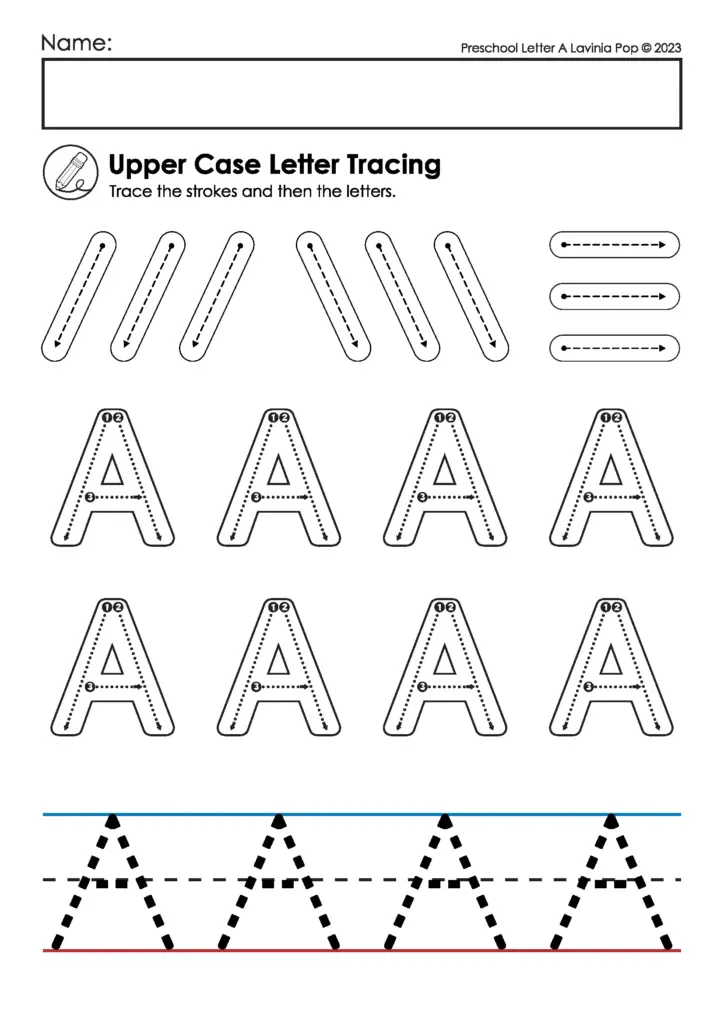
Using Large Alphabet Letters for Different Grade Levels
Large alphabet letters for tracing are versatile, making them suitable for various grade levels. While they are primarily aimed at preschool and kindergarten students who are just beginning to learn letter formation, they can also be beneficial for older students who may need additional practice with handwriting.
For younger students, focus on the basic shapes and sounds. Encourage them to say the sound of the letter as they trace. For first or second graders, you might introduce more complex activities such as writing words that start with each letter. This adds an additional layer of learning by connecting their writing skills with phonics.
You can also adapt these letters for use in special education settings. Students with different learning needs can benefit from using large letters that provide ample space for tracing, allowing them to develop their motor skills at their own pace.
Using large alphabet letters for tracing can be a dynamic learning tool that engages students through various methods. The key is to incorporate multi-sensory experiences, customization, and adaptability to different grade levels. Remember, the most effective resources are those that can be tailored to the unique needs of your students. Offering both blank and editable versions will ensure that you have the flexibility to meet those needs. Don’t forget to utilize various materials and themes to keep the learning process exciting.
