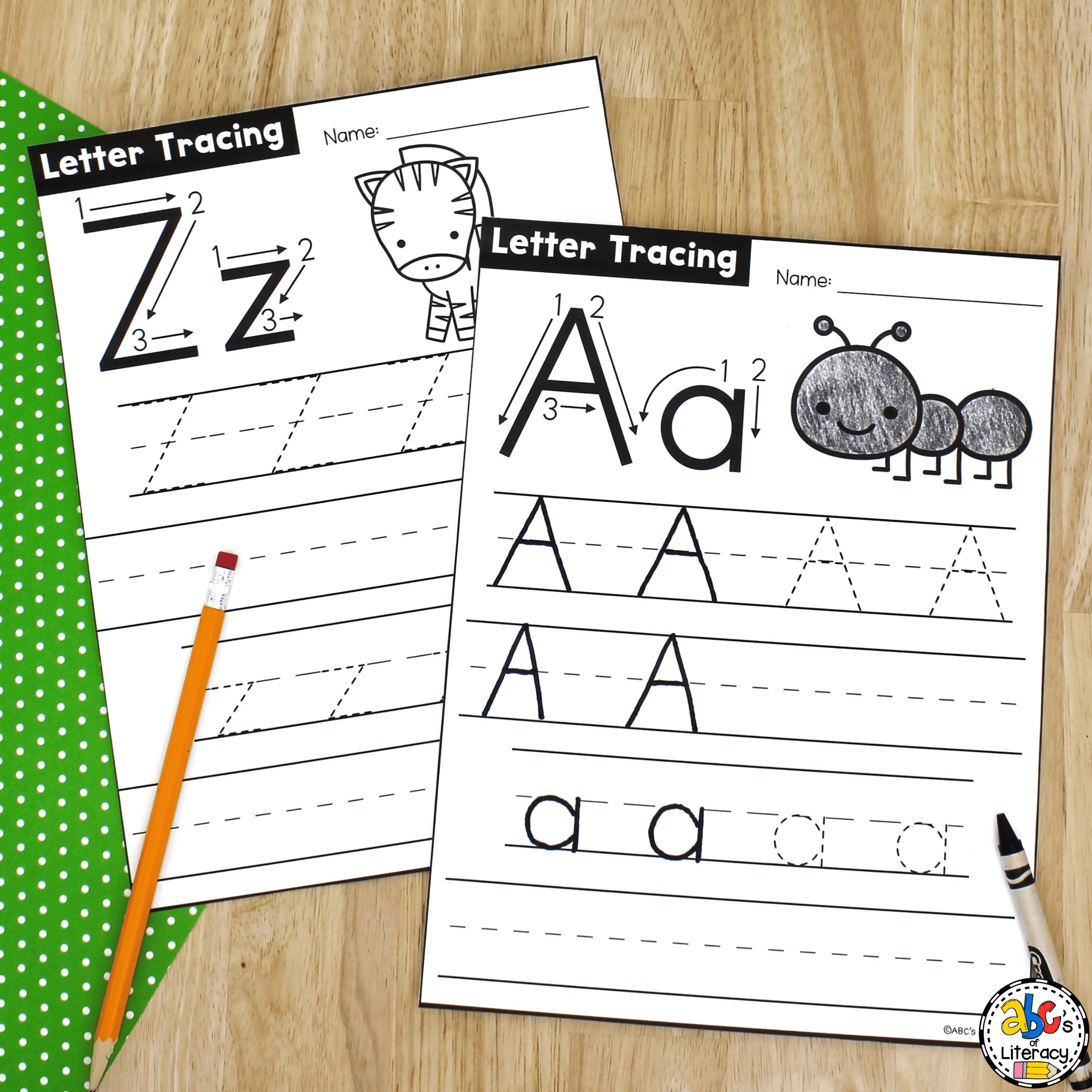
When it comes to early literacy, free printable letter tracing sheets are a fantastic resource for teachers and parents alike. They provide children with the opportunity to practice their handwriting skills in a structured manner. These sheets can help reinforce letter recognition, improve fine motor skills, and build confidence in writing. In this guide, we’ll explore what to look for when selecting letter tracing sheets, signs your child is ready for this practice, and some practical tips for using these resources effectively.
Signs Your Child is Ready for Letter Tracing
Recognizing when your child is ready to start tracing letters can make a significant difference in their learning journey. Here are some key indicators to look for:
Interest in Writing
If your child shows curiosity about letters and asks questions about writing, that’s a strong sign they are ready to start. You might notice them attempting to write their name or mimic letters they see around them.
Fine Motor Skill Development
Children should have developed sufficient fine motor skills before starting letter tracing. This includes the ability to hold a pencil or crayon correctly and control their movements. If your child can draw simple shapes or lines, they’re likely ready to start practicing letters.
Letter Recognition
Your child should be able to recognize some letters before they begin tracing. Basic knowledge of the alphabet, even just a few letters, is a great starting point. This recognition will help them understand what they are tracing.
Enjoyment of Activities
If your child enjoys activities that involve writing, drawing, or coloring, they will likely enjoy tracing letters. Engaging them in fun, related activities can help reinforce their interest.
Choosing the Right Printable Letter Tracing Sheets
Once you’ve determined your child is ready, the next step is to find the right printable letter tracing sheets. Here are some factors to consider:
File Format and Size
Most printable letter tracing sheets come in PDF format, which is ideal for maintaining formatting across different devices. A standard paper size like 8.5 x 11 inches works well for home printers. Ensure the sheets are designed for easy printing without cropping any part of the letters.
Blank Vs. Guided Tracing
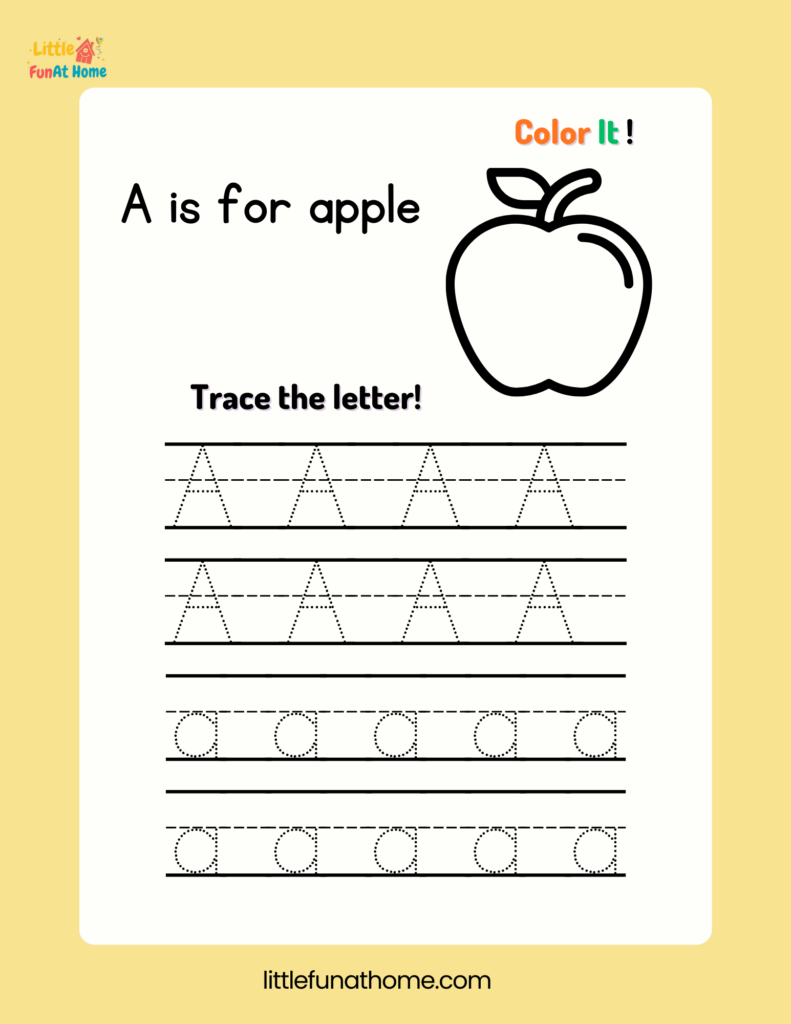
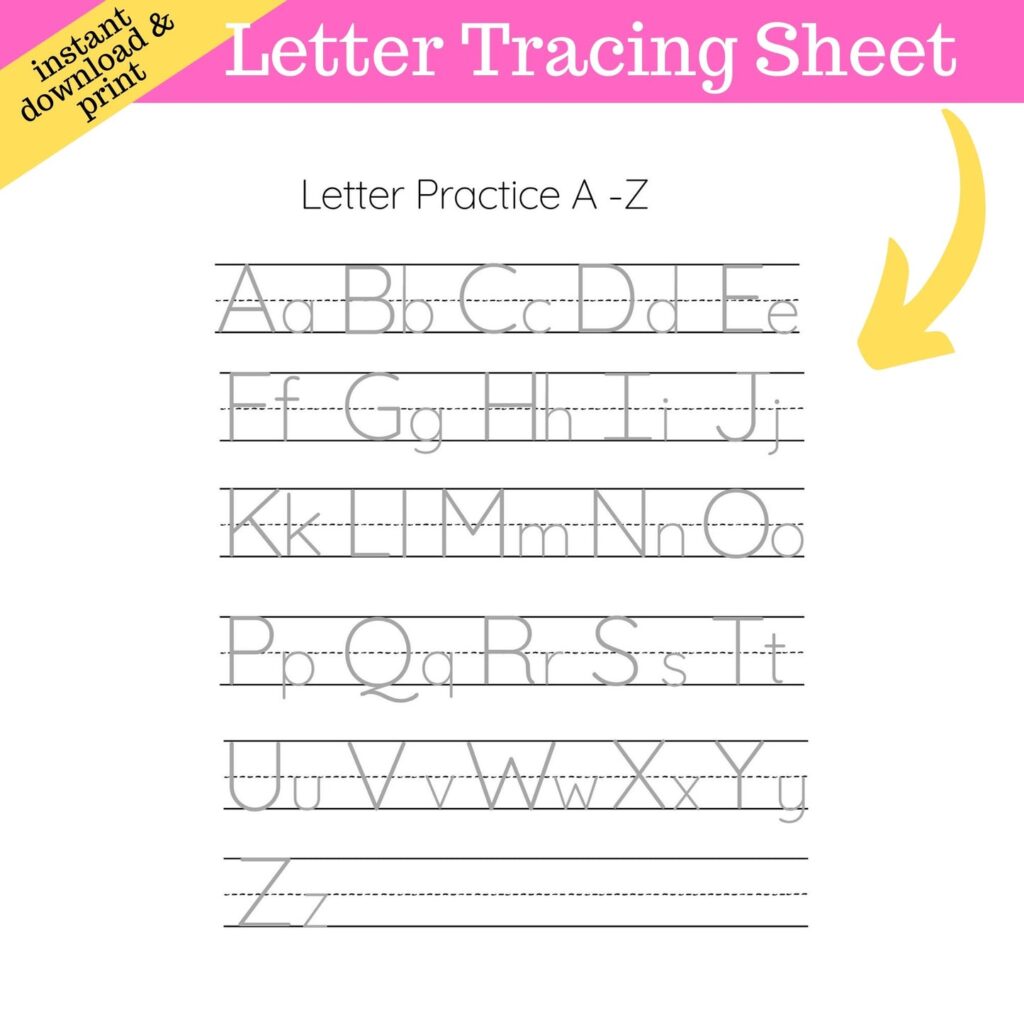
Some sheets offer blank lines for children to trace freely, while others provide dotted or dashed letters for guidance. If your child is just starting, sheets with guided tracing may be more helpful. As they gain confidence, you can transition to blank sheets.
Age and Grade Level Appropriateness
Consider the age and skill level of your child when selecting tracing sheets. Many resources are tailored for preschool to early elementary grades. Choose sheets that match your child’s current abilities to keep them engaged and challenged.
Themed and Holiday Options
To make learning fun, look for themed or holiday-specific letter tracing sheets. These can add excitement and relevance to your child’s practice, such as tracing letters related to Christmas, Halloween, or summer activities.
Effective Ways to Use Letter Tracing Sheets
Now that you’ve selected the right letter tracing sheets, it’s time to put them to use. Here are some practical tips for maximizing their effectiveness:
Create a Routine
Establishing a consistent routine for letter tracing can help your child develop a habit. Consider setting aside a specific time each day for practice. This could be part of a larger learning session that includes reading and other activities.
Use the Right Tools
Selecting the right writing tools can enhance your child’s experience. Crayons, colored pencils, or gel pens can make tracing more enjoyable. If you plan to laminate the sheets for reuse, dry-erase markers work great for multiple practice sessions.
Encourage Proper Grip
It’s essential to encourage your child to hold their writing tool correctly. Demonstrate the proper grip and provide guidance as they trace letters. This will help them develop good habits early on.
Incorporate Fun Activities
To keep your child motivated, incorporate fun activities alongside tracing. For example, you could have them say the letter’s name and sound while tracing or create a game where they have to find objects that start with that letter.
Monitor Progress
Keep track of your child’s progress as they practice. Celebrate their achievements to boost their confidence. You might take note of letters they struggle with and focus more on those in future sessions.
Utilize Multiple Resources
Expand your child’s learning by combining letter tracing sheets with other resources. Use coloring pages that feature letters, or create a small alphabet book using their traced letters. Mixing different types of activities can enhance their learning experience.
By incorporating these tips and using free printable letter tracing sheets effectively, you can create a positive learning environment for your child. This practice not only helps with handwriting but also builds a foundation for their reading and writing skills.
As you prepare to download and print your letter tracing sheets, remember to adjust your printer settings for the best quality. Portrait layout tends to work better for most home printers, and using quality paper can help if you plan to laminate the sheets for durability. With these resources at your fingertips, you’re all set to support your child’s writing journey!
