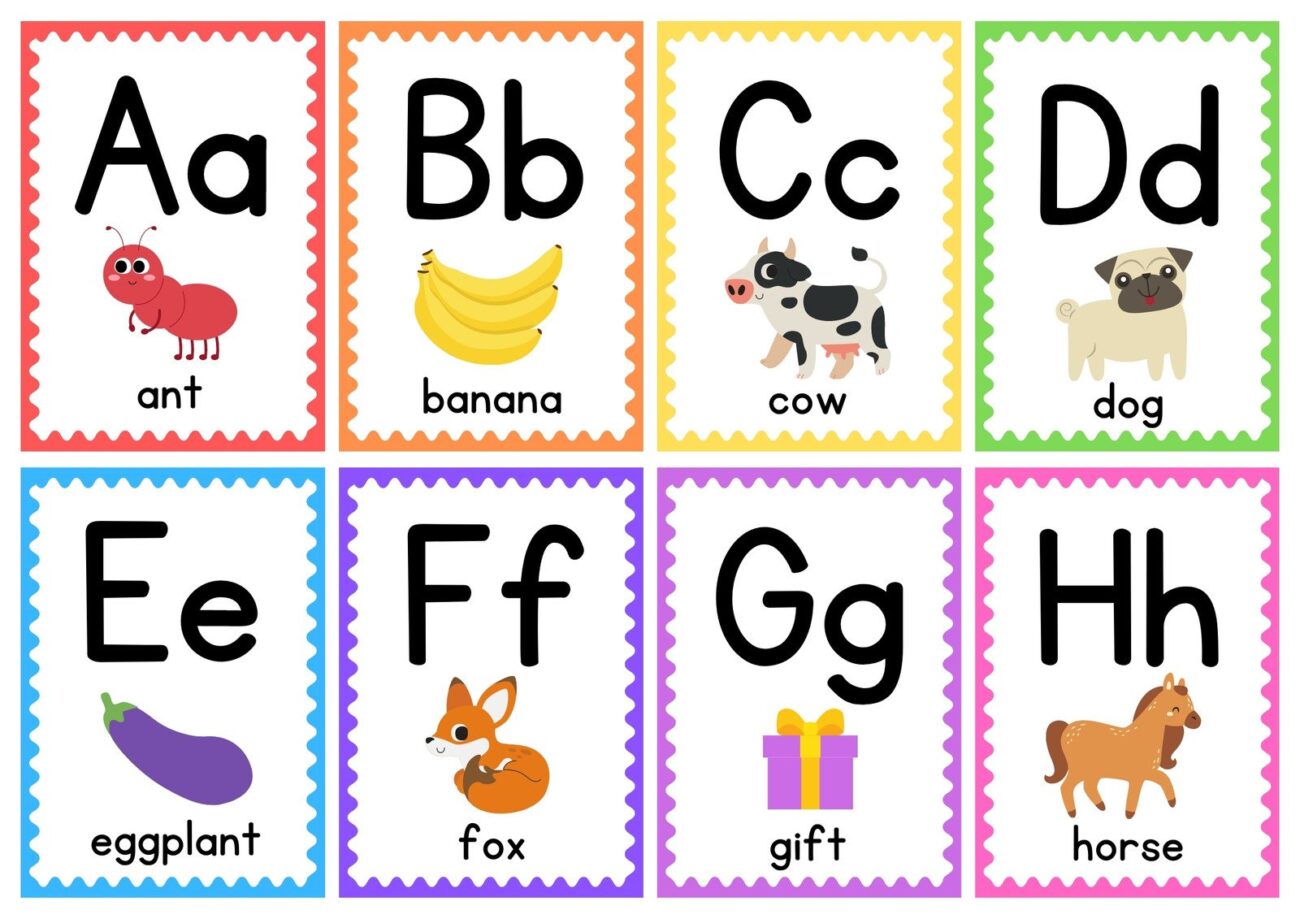
Learning the alphabet is one of the first steps in a child’s education, and using flashcards can make this process both fun and effective. Free Alphabet Flash Cards Printable resources are great tools to help your child recognize letters, associate sounds, and even begin to form words. Here’s a guide on how to use these flashcards effectively at home.
What Are Alphabet Flash Cards?
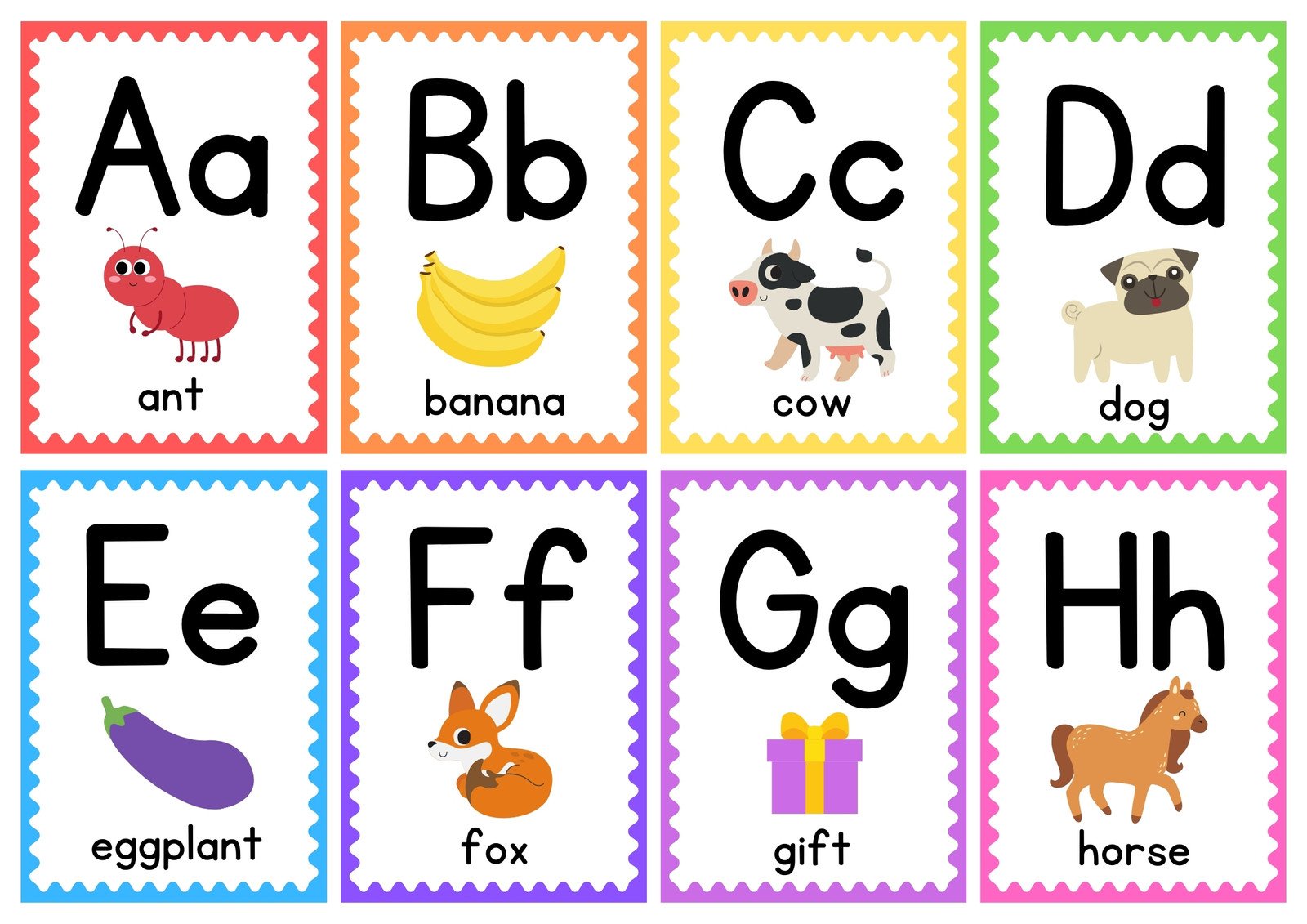
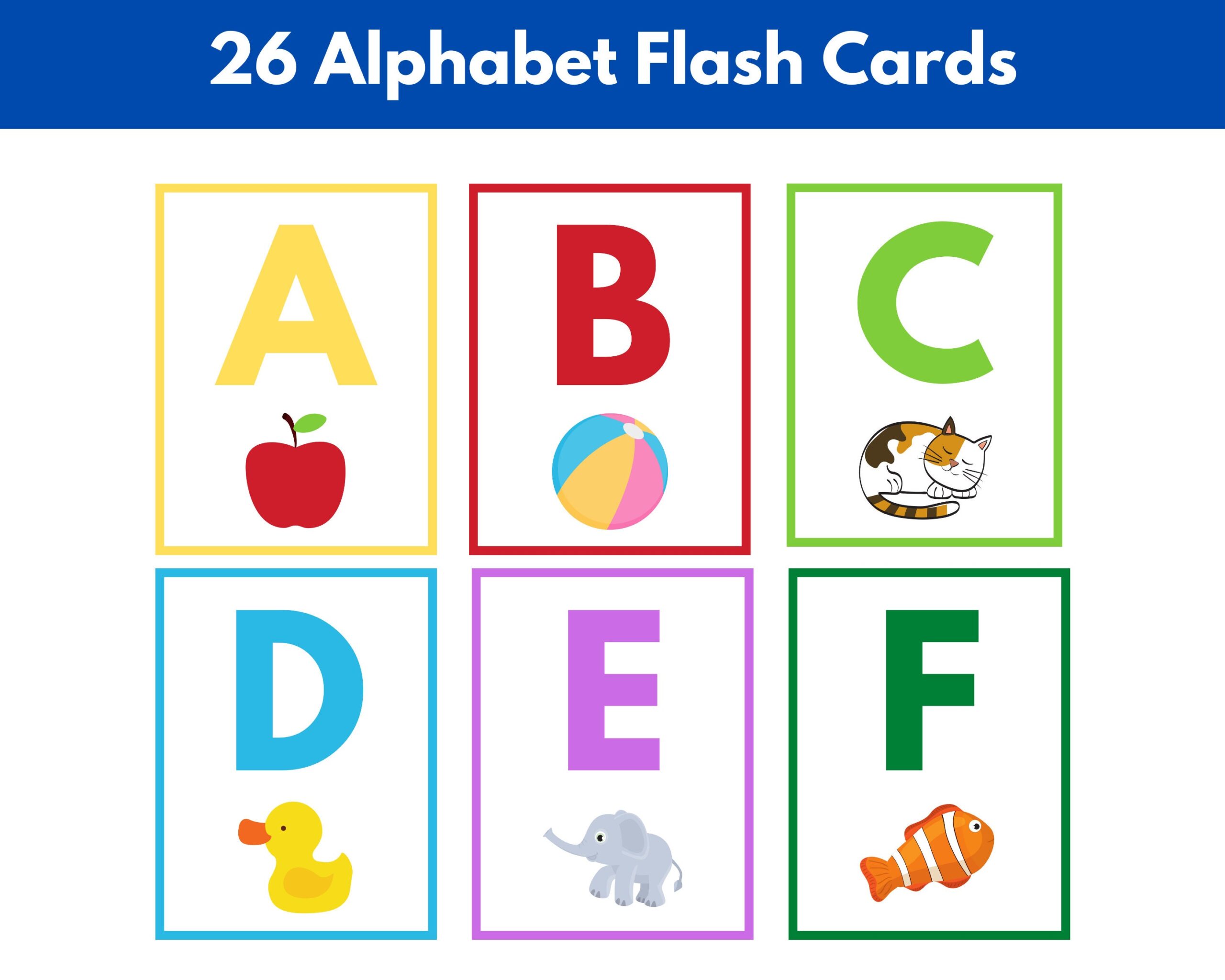
Alphabet flash cards are simple yet powerful educational tools that display each letter of the alphabet, often accompanied by an image that represents a word starting with that letter. For example, the letter “A” might be paired with an image of an apple. These cards help reinforce letter recognition and phonetic sounds, making them ideal for preschoolers and kindergarteners who are just starting their reading journey.
Who Can Use These Flash Cards?
These printable flash cards are designed for young children, typically aged 3 to 6 years. They cater to various learning styles, whether your child is a visual learner who benefits from seeing images or an auditory learner who thrives on hearing sounds. Parents, teachers, and caregivers can all use these resources in different settings, from home schooling to classroom activities.
How to Use Alphabet Flash Cards
Learning Activities
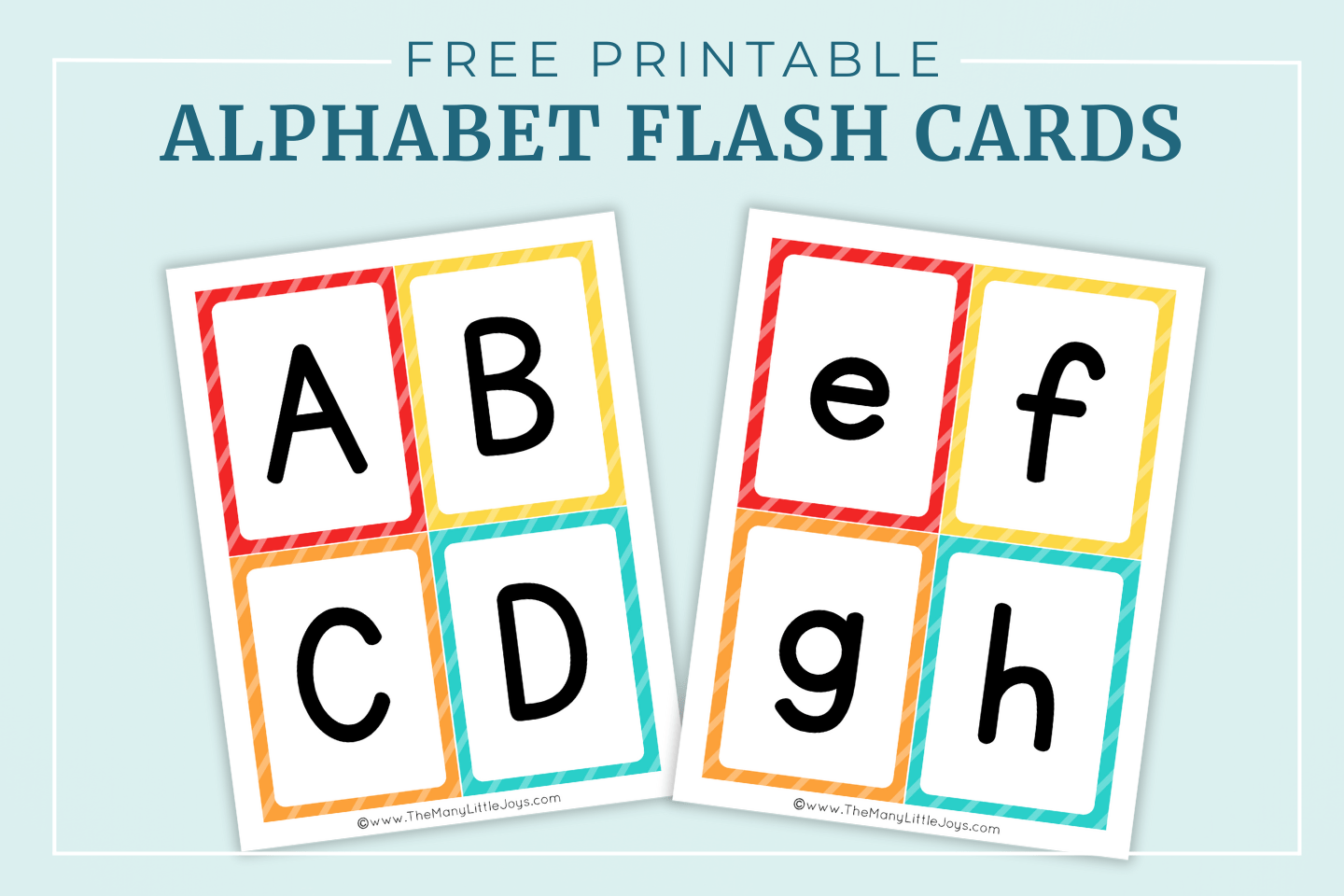
- Letter Recognition: Start by showing your child one card at a time. Ask them to identify the letter and its sound. Encourage them to repeat the sound after you.
- Matching Games: Create a fun matching game by pairing the flash cards with objects around the house or images from magazines. This reinforces the connection between letters and words.
- Spelling Simple Words: Once your child is familiar with the letters, you can use the flash cards to spell simple words. For example, use “C,” “A,” and “T” to spell “cat.”
- Story Time: Incorporate flash cards into story time. As you read a book, pull out the relevant flash cards to reinforce the letters and sounds they encounter.
Age-Appropriate Play Ideas
For younger children, focus on playful activities. Try singing the alphabet song while pointing to each card, or engaging in letter scavenger hunts where they find objects that start with each letter. For older preschoolers, you might introduce more structured activities, such as sorting the cards into vowels and consonants or creating a mini scrapbook where they can color or decorate cards.
Preparing the Flash Cards for Use
Printing Tips
- Paper Type: Use cardstock for durability, especially if your child will handle the cards frequently. If you plan to laminate them, thicker paper can help maintain their shape.
- Size: Standard letter-sized paper (8.5 x 11 inches) works well for printing. If your printer supports it, consider using 4 x 6 inches for smaller cards that are easier for little hands to manage.
- Color Settings: Use high-quality color settings on your printer for the best visuals. Clear, vibrant images will engage your child more effectively.
Storage Solutions
To keep your flash cards organized, consider using a small box or a binder with plastic sleeves. This makes it easy to flip through the cards and keeps them safe from wear and tear. You can also create a designated “learning corner” in your home where these materials are stored, making them readily accessible for daily practice.
Downloading Your Flash Cards
Finding the right flash cards is easy. Many websites offer free downloads of alphabet flash cards in PDF format. Look for resources that allow you to print high-quality images without the need for special software. Be sure to check the licensing to confirm they are free for personal use.
Incorporating Flash Cards Into Daily Routines
Integrating flash cards into your daily routine can make learning seamless. Here are a few suggestions:
- Morning Routine: Start the day by reviewing a few letters each morning. This can help set a positive tone for the day.
- Snack Time Learning: Use snack time as an opportunity for learning. For example, if you have apple slices, show the “A” card, reinforcing the connection between the letter and the snack.
- Wind Down: At the end of the day, consider a short review session. This not only reinforces learning but also offers a calming activity before bedtime.
Assessing Progress and Adjusting Activities
As your child becomes more familiar with the letters, you can assess their progress by asking them to identify letters without prompts or to form simple words using the flash cards. Adjust your activities based on their comfort level. If they seem bored, introduce new games or challenges. If they struggle, take a step back and focus on fewer cards until they gain confidence.
