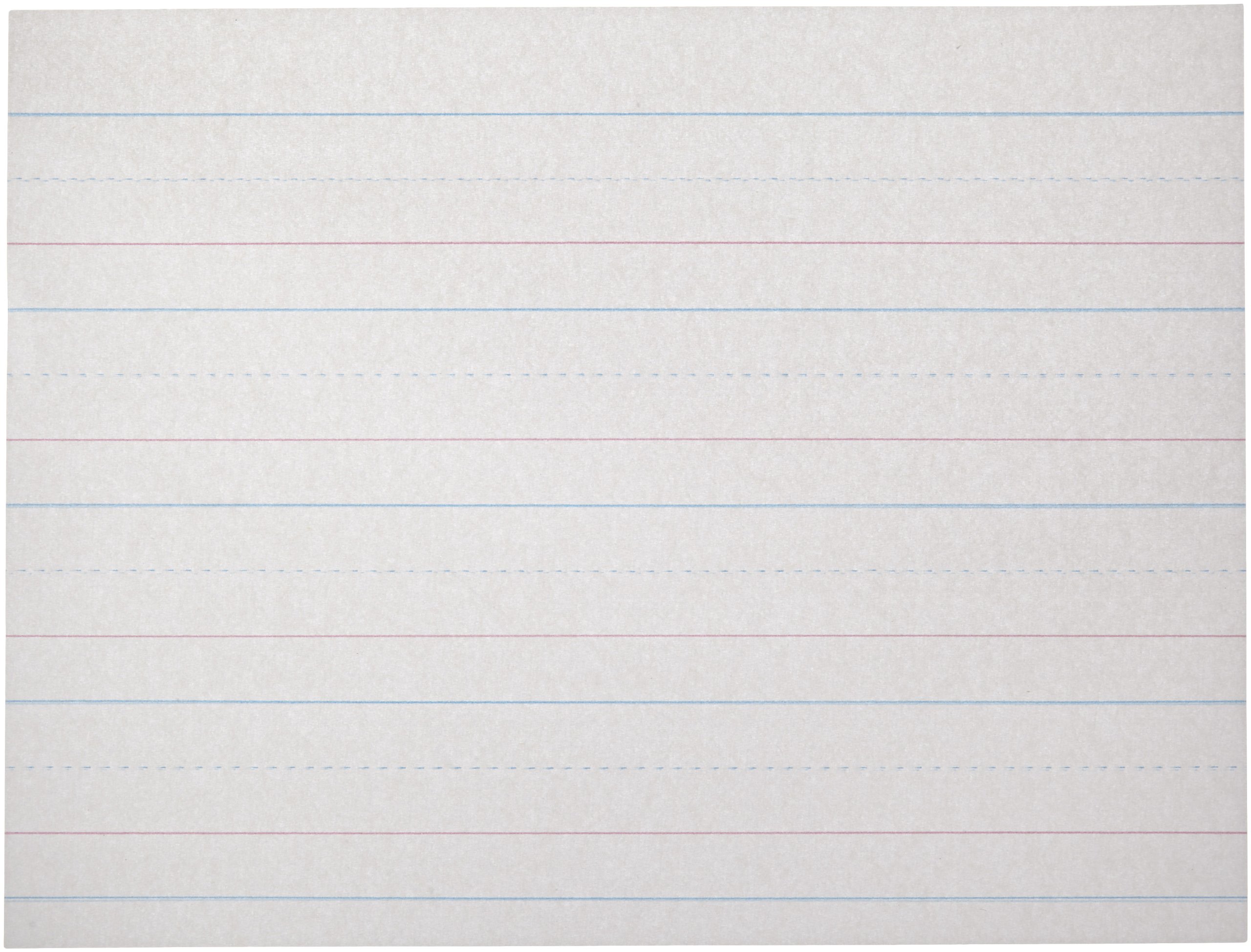
Dotted lined paper for handwriting is an essential tool for teachers looking to support their students in developing neat and legible writing skills. This resource can be particularly helpful for young learners just beginning their writing journey. In this article, we’ll explore various types of dotted lined paper, how to effectively utilize them in your classroom, and what to consider when downloading and printing these resources.
Printable Dotted Lined Paper Formats
When searching for dotted lined paper for handwriting, you’ll find several formats available for download. Most commonly, these resources come in PDF and PNG file formats.
PDF files are typically preferred for printing because they preserve the layout, ensuring that the paper appears as intended without any reformatting issues that can occur with image files. This is especially important when dealing with precise layouts needed for handwriting practice.
PNG files can be useful if you plan to use the paper digitally, such as on a tablet or interactive whiteboard. However, they may require additional adjustments before printing, especially if you want to ensure the dimensions fit standard paper sizes.
Common Paper Sizes for Download
When you download dotted lined paper, keep in mind that standard paper sizes vary by region. In the U.S., the most common size is 8.5 x 11 inches (letter size), while in countries using the metric system, A4 (210 x 297 mm) is prevalent.
Here’s a quick reference for common paper sizes:
- Letter (8.5 x 11 inches)
- A4 (210 x 297 mm)
- Legal (8.5 x 14 inches)
Choosing the right size is crucial, as it can affect how the paper fits into folders, binders, or notebooks.
Editable Dotted Lined Paper for Customization
One of the great advantages of dotted lined paper for handwriting is the availability of editable versions. These templates allow you to customize the paper to better suit the needs of your students. For instance, you can adjust the line spacing to accommodate different grade levels or specific handwriting styles.
Editable PDFs are typically user-friendly. Many programs allow you to fill in text fields directly or modify the layout before printing. This adaptability ensures that you can provide the right support for each student’s handwriting development.
Tailoring to Different Age Groups
When selecting or creating dotted lined paper, consider the age and skill level of your students. Younger children often benefit from wider spacing between lines to give them ample room for their developing fine motor skills. As students grow more confident, you can gradually shift to narrower lines.
Here are some general recommendations:
- Kindergarten: Wide lines with ample space between each line.
- Grades 1-2: Medium lines to support developing writing skills.
- Grades 3+: Standard lines that encourage fluency and accuracy.
Using Dotted Lined Paper for Handwriting Practice
Incorporating dotted lined paper into your handwriting lessons can be both effective and enjoyable for students. Here are some practical steps to maximize its use:
- Introduce the Paper: Explain to your students why you’re using dotted lined paper. Show them how to position their letters within the dotted lines.
- Model Proper Technique: Demonstrate the correct way to hold a pencil and form letters on the dotted lined paper. Using a document camera can help students see your technique clearly.
- Practice Sessions: Provide regular practice opportunities. You might assign daily writing exercises where students write letters, words, or sentences on the dotted lined paper.
- Feedback and Correction: Use the dotted lines as a guide for providing feedback. Encourage students to check their alignment, ensuring that letters sit properly on the lines.
- Creative Writing: Encourage students to use their handwriting skills in creative ways. Have them write short stories, journals, or even thank-you notes using the dotted lined paper.
By actively engaging with the dotted lined paper, students can improve their handwriting while also enjoying the writing process.
Preparing to Print Dotted Lined Paper
Before you print your dotted lined paper, consider a few practical factors to ensure the best results:
Printer Settings
Always check your printer settings before hitting print. Choose the correct paper size, and ensure you select the highest quality print option available. Most printers have settings for “Best” or “High Quality” that will enhance the clarity of the lines.
Paper Selection
The type of paper you choose can make a significant difference in the final product. Regular printer paper is generally sufficient, but if you want more durability, opt for a heavier weight paper, such as 24 lb or cardstock. This is particularly useful if students will be using markers or heavy-handed writing instruments.
Test Print
It’s a good idea to do a test print before printing a full set of worksheets. This way, you can check for alignment, spacing, and overall appearance. If you’re using a color printer, ensure that the colors are correctly balanced and that the lines are clear.
Storage and Organization
Once printed, store your dotted lined paper in a way that keeps it neat and accessible. Use folders or binders to keep the pages flat and organized. This makes it easy for students to find and use the paper when needed.
Dotted lined paper for handwriting is a versatile resource that can greatly enhance your students’ writing skills. By utilizing various formats, customizing the templates, and preparing effectively for printing, you can create a supportive learning environment that fosters growth in handwriting proficiency. Start by downloading your preferred dotted lined paper today and see the difference it can make in your classroom.
