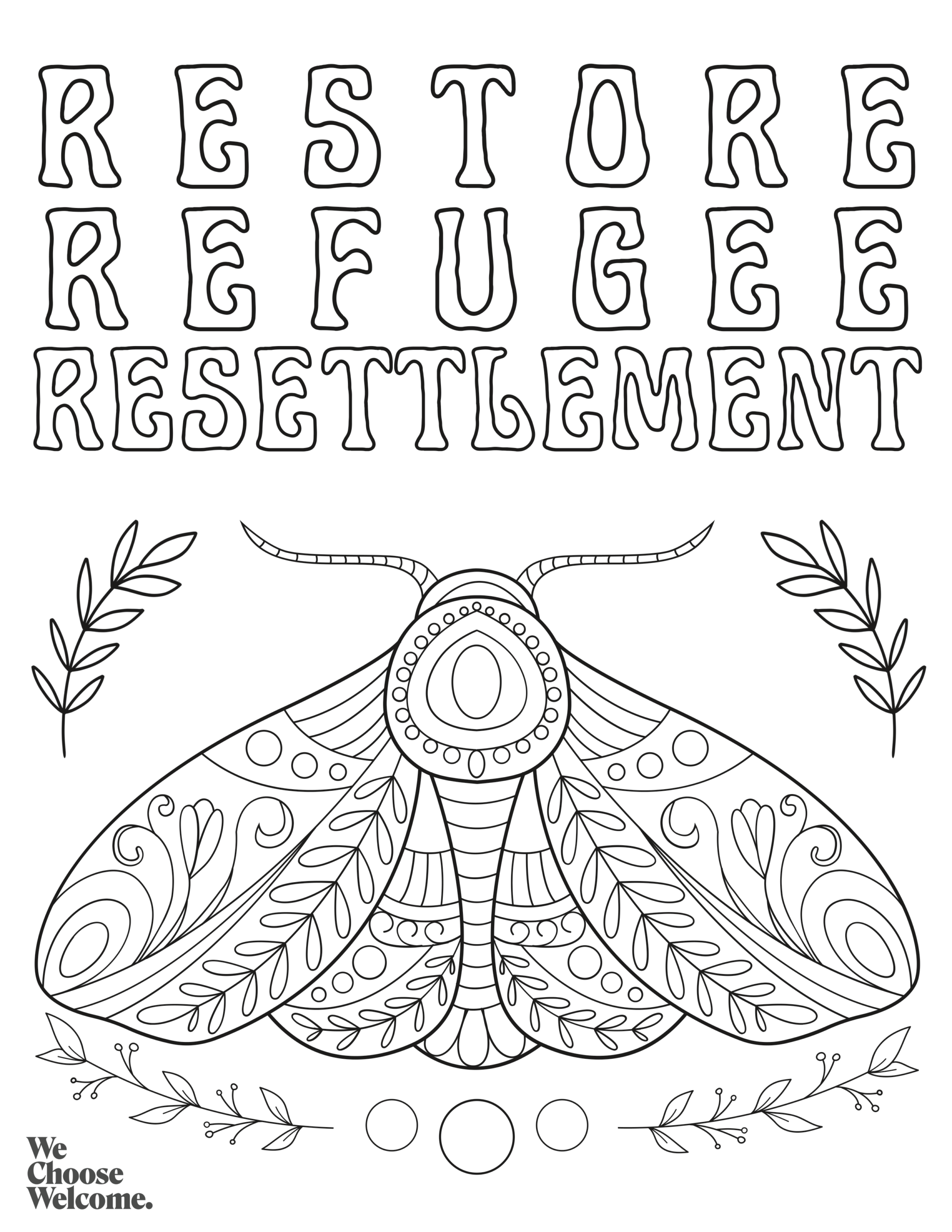
Coloring pages come in various styles and formats, making it essential to choose the right coloring page for your students. If you are looking for something simple or intricate, the right choice can enhance creativity and engagement. Understanding the available formats and their uses will help you maximize the benefits of coloring activities in the classroom.
Selecting the Best Format for Your Coloring Pages
When you’re choosing coloring pages, understanding the file format is crucial. Most printable coloring pages come in PDF or PNG formats. PDFs are typically preferred for their consistency across devices. They maintain their formatting, ensuring that what you see on screen matches what prints. PNGs, while great for images, can sometimes lead to reformatting issues.
Ensure your printer settings are optimized for the chosen format. For PDFs, use the “Fit to Page” option to avoid any unexpected cropping. Adjust your print quality settings to “Best” for a clearer output, especially if the lines are fine and detailed.
Paper Choices for Coloring Pages
Selecting the right paper can significantly affect the coloring experience. Standard printer paper (usually 20 lb) can work, but if you want vibrant colors and durability, consider using heavier cardstock (around 80 lb). This thicker paper holds up well to coloring tools like markers or gel pens.
If you’re working with younger students, you might want to use lighter paper, as it can be easier for them to handle. For more advanced coloring, using a textured paper can add depth to the artwork. Always test a few different types to see what works best with your chosen coloring tools.
Choosing Coloring Pages for Different Age Groups
Different age groups have varying skill levels, which should guide your selection of coloring pages. For younger children (ages 3-5), choose pages with larger, simpler designs. These should have clear outlines and minimal detail, making it easier for little hands to stay within the lines.
For older children (ages 6-10), you can introduce more complex designs. Look for pages with intricate patterns or themes that can engage their imaginations, like animals or landscapes. These can provide a more satisfying challenge and foster their artistic abilities.
Editable Coloring Pages for Personalized Learning
Editable coloring pages offer a unique way to tailor activities to your students’ needs. Many online resources provide templates that you can customize. This can include changing the images, adding themes, or even incorporating classroom-specific content.
When using editable pages, ensure you have the right software to modify them. Programs like Adobe Acrobat or even free online editors can help you adjust the content. Personalized coloring pages can help engage students more deeply, especially if they see their interests reflected in the designs.
Finding Seasonal and Thematic Coloring Pages
Seasonal and thematic coloring pages can add an exciting twist to your lessons. For example, pages related to holidays, such as Halloween or Christmas, provide a fun way to celebrate while also promoting creativity. These can be integrated into lessons about culture or history.
When selecting seasonal pages, consider the complexity of the designs. For holidays, some themes may require more intricate details, while others may be simpler. Ensure the designs match the skill level of your students, and think about how these activities can connect to the curriculum.
Next, consider printing these pages on cardstock to ensure durability during the holiday season. This way, students can create decorations or gifts that last longer than standard paper crafts.
Choosing the right coloring page is more than just picking a fun image. It involves understanding file formats, selecting appropriate paper, and tailoring designs to different age groups and themes. By making informed decisions, you can enhance the coloring experience in your classroom, fostering creativity and engagement among your students. So gather your coloring tools and get ready to print those pages!
