Alphabet tracing worksheets for preschoolers stand out because they not only focus on letter formation but also incorporate multi-sensory techniques to enrich the learning experience. These worksheets are designed to make the process of learning the alphabet engaging and effective. By using these resources, you can help young learners develop their fine motor skills while also reinforcing letter recognition. In this guide, we will explore various types of alphabet tracing worksheets, how to use them effectively, and practical tips for making the most of these resources in your classroom or at home.
Printable Pdf Alphabet Tracing Worksheets
One of the most convenient formats for alphabet tracing worksheets is the printable PDF version. This format is widely compatible with most devices and ensures that the design remains intact when printed. When selecting your worksheets, look for those that offer clear letter outlines for tracing, as well as a variety of activities that accompany each letter.
To make the most of your printable PDFs, consider the following:
- Paper Size: Standard letter size (8.5 x 11 inches) is ideal for home printers and classroom use.
- Print Settings: Use portrait orientation for best results, and choose a high-quality print setting to ensure that the lines are sharp and easy to trace.
- Laminating: If you want to reuse the worksheets, consider printing them on cardstock and laminating them. This allows for dry-erase markers to be used, making it easier for kids to practice repeatedly.
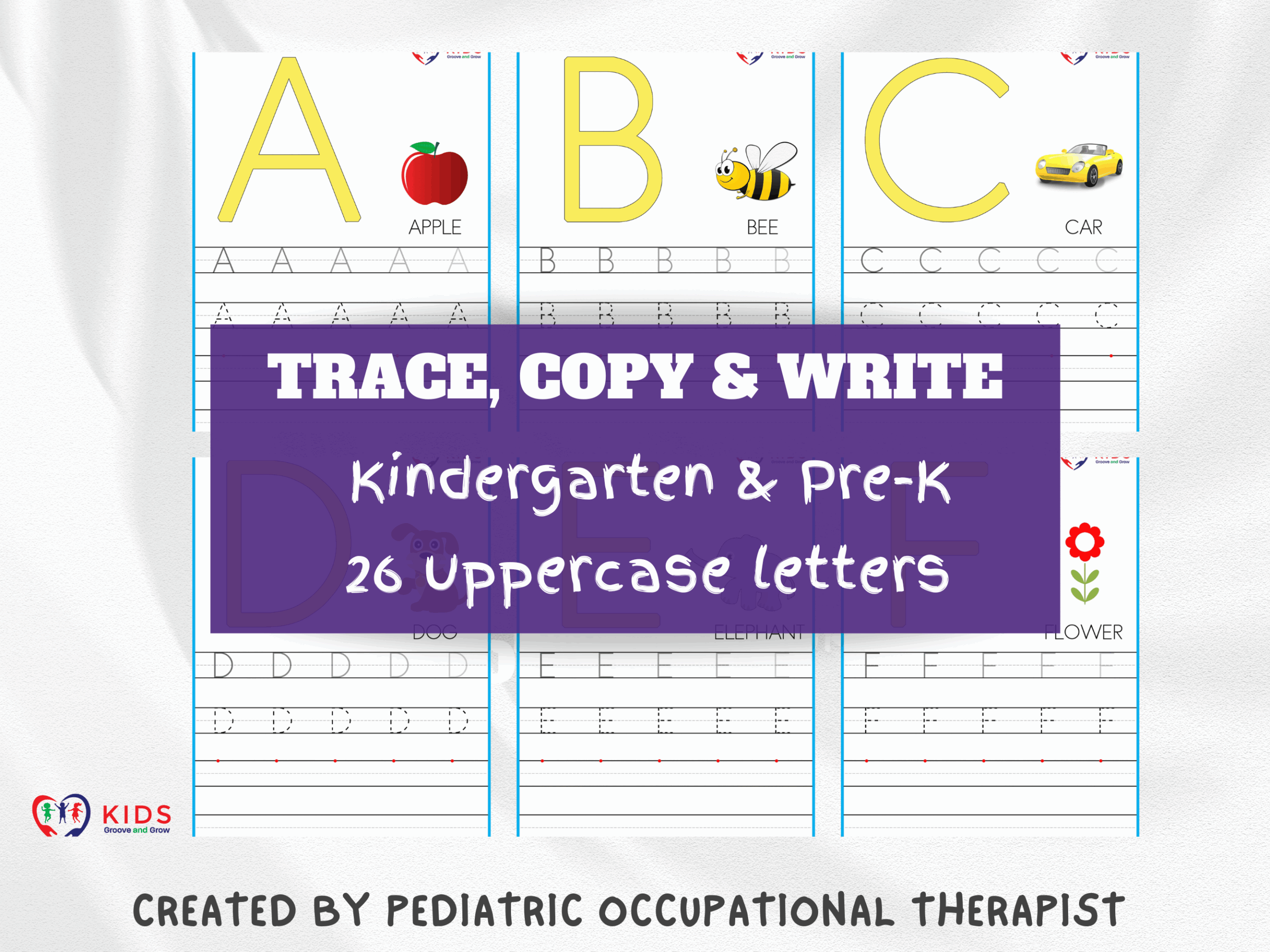
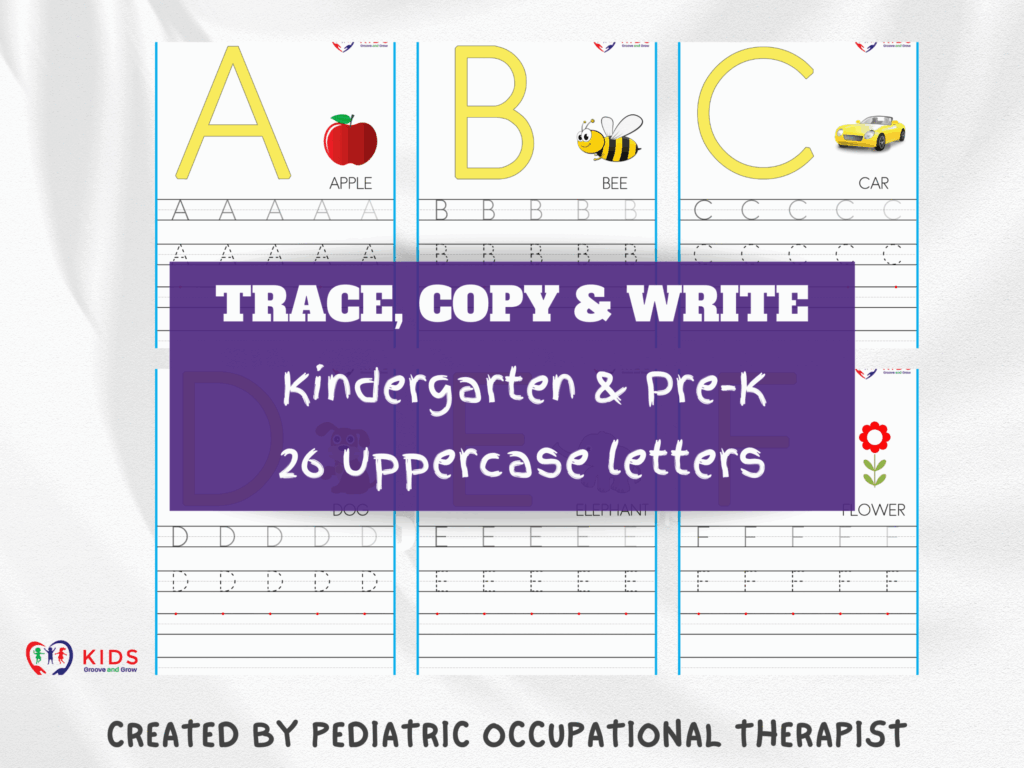
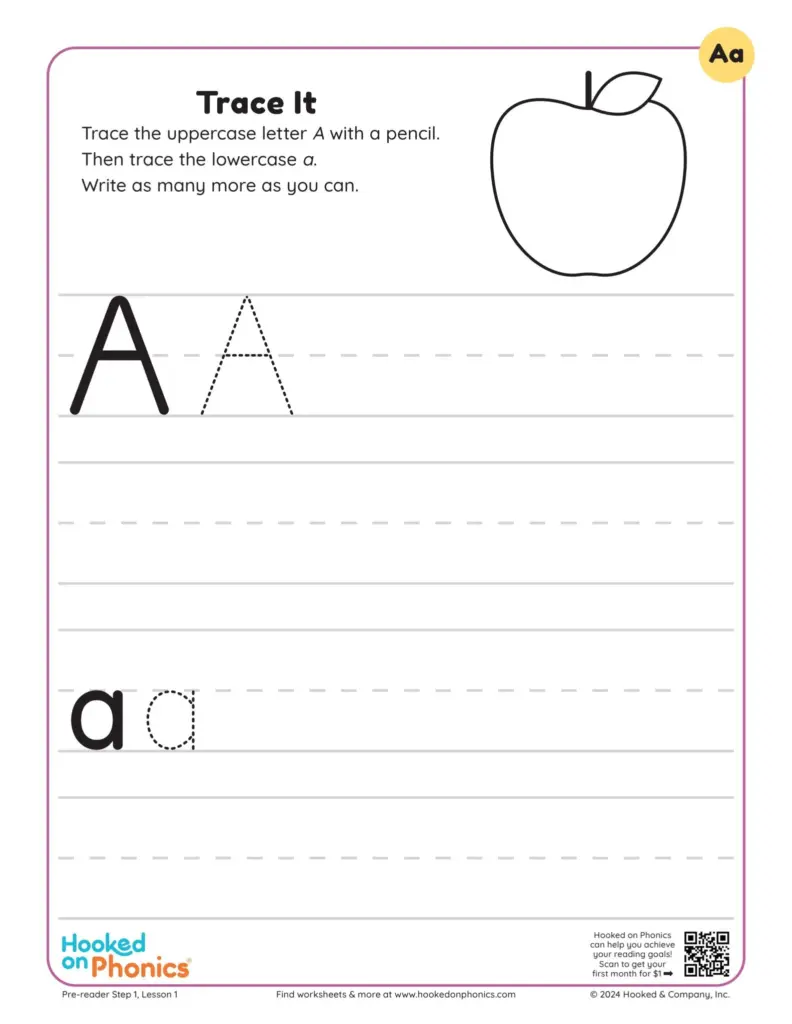
These worksheets typically combine letter tracing with fun illustrations that represent objects starting with that letter, reinforcing learning through visual cues. For instance, tracing the letter “A” may be paired with an image of an apple, prompting children to say “A is for apple” as they trace.
Editable Alphabet Tracing Worksheets
Editable alphabet tracing worksheets offer a personalized touch that can cater to individual learning needs. These worksheets allow you to modify the content, such as changing the font size or adding specific words that you want your students to practice. This flexibility is particularly beneficial in a classroom where students may be at different levels of readiness.
When working with editable worksheets, keep these tips in mind:
- Software Compatibility: Ensure you have compatible software to edit the files, such as Adobe Acrobat or other PDF editing tools.
- Customization: Tailor the worksheets to include students’ names or favorite objects that start with each letter to increase engagement.
- File Format: Look for worksheets that offer both PDF and editable formats, allowing you to choose based on your immediate needs.
Through this approach, you can create a more dynamic learning environment that fosters creativity and personal connection to the material.
Blank Alphabet Tracing Worksheets
Blank alphabet tracing worksheets are a fantastic resource for promoting independent practice and creativity. These worksheets typically provide empty outlines of each letter for children to fill in as they develop their writing skills. This method encourages learners to recall the letter shapes from memory, reinforcing their learning through repetition.
Key points to consider when using blank tracing worksheets include:
- Age Appropriateness: Ensure that the size of the letter outlines is suitable for preschoolers. Larger letters are generally easier for smaller hands to trace.
- Multi-Sensory Connection: Pair these worksheets with activities that engage other senses, such as using sand or finger paints to form letters before tracing them on paper.
- Feedback Mechanism: Provide immediate feedback by checking their work and celebrating their progress, which boosts confidence.
Using blank worksheets allows children to experiment with writing, helping them transition from tracing to independent writing more smoothly.
Thematic Alphabet Tracing Worksheets With Holidays
Incorporating themes into alphabet tracing worksheets can enhance the learning experience by making it relevant to the time of year. Thematic worksheets, especially those tied to holidays, can engage children more effectively. For example, worksheets that focus on the letter “H” can include holiday-themed images like a hat or a heart.
Here’s how to effectively use thematic worksheets:
- Seasonal Relevance: Choose worksheets that align with upcoming holidays or seasons to keep the learning timely and exciting. For instance, during the winter holiday season, worksheets could feature images like “S” for snowman or “T” for tree.
- Interactive Elements: Incorporate activities that relate to the holiday theme, such as decorating the traced letters with stickers or drawing related images.
- Group Activities: Use thematic worksheets for group activities where students can share their decorated letters, promoting social interaction and collaborative learning.
Thematic worksheets not only reinforce letter recognition but also create a festive atmosphere that can enhance motivation and enjoyment in learning.
Using alphabet tracing worksheets for preschoolers effectively requires understanding their layout, design, and how they can be used to foster multi-sensory learning. By choosing the right format, customizing content, and incorporating themes, you can create a rich educational experience that supports young learners in mastering the alphabet. One particularly useful detail to consider is that color-coding the letters can further aid in visual differentiation and memory retention.
