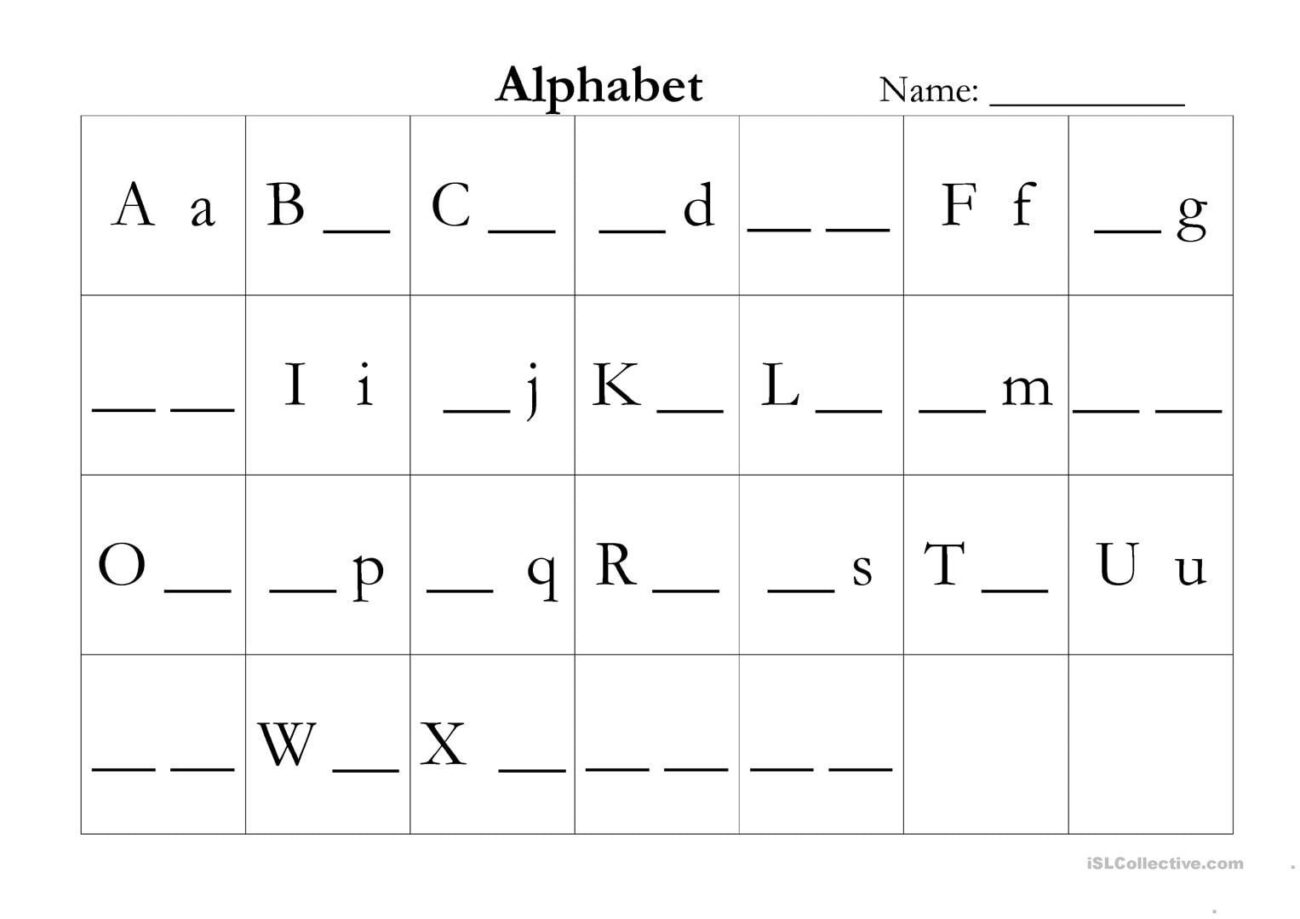
Using Alphabet Fill In The Blank worksheets can be a delightful way to enrich your child’s reading and writing skills. These worksheets not only reinforce letter recognition but also enhance vocabulary and spelling through an engaging format. If you’re looking for a fun and educational resource, you’re in the right place. Let’s explore how you can effectively use these worksheets at home or in a classroom setting.
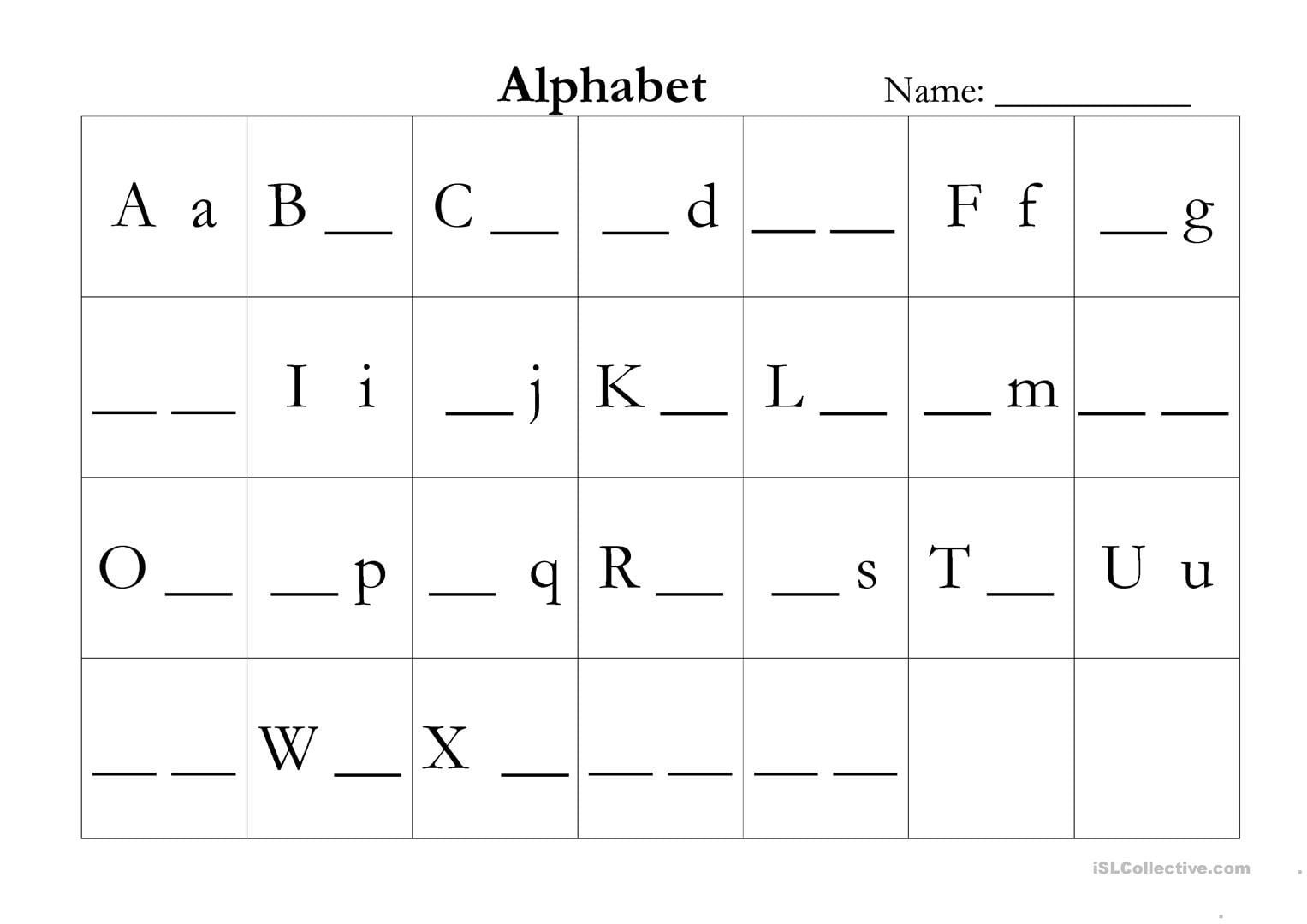
Understanding the Concept of Fill In The Blank
Fill In The Blank worksheets are designed to encourage children to think critically and apply their knowledge of the alphabet in a structured way. Each worksheet typically features sentences with missing letters, prompting the child to fill in the blanks with the appropriate letters. This activity is suitable for preschool through early elementary grades, usually around ages 4 to 7.
For example, a simple sentence might read, “The _at is on the _at.” Children would fill in the blanks with “c” and “m” to complete “The cat is on the mat.” This method not only reinforces letter sounds but also helps with sentence structure and context.
Setting Up for Success
Before you look at using Alphabet Fill In The Blank worksheets, it’s essential to set up a conducive environment. Here are some practical tips to help you get started:
- Materials Needed: Gather your worksheets, pencils, and perhaps some colorful markers or crayons to make the activity more visually appealing.
- Appropriate Space: Find a quiet space where your child can focus. A table with good lighting will help them concentrate and enjoy the activity more.
- Time Management: Aim for short sessions of about 10-15 minutes, especially if your child is younger. This keeps them engaged without overwhelming them.
Integrating Worksheets Into Daily Learning
Incorporating Alphabet Fill In The Blank worksheets into your child’s daily routine can be both fun and beneficial. Here are some ways to seamlessly fit these activities into your schedule:
Morning Activities
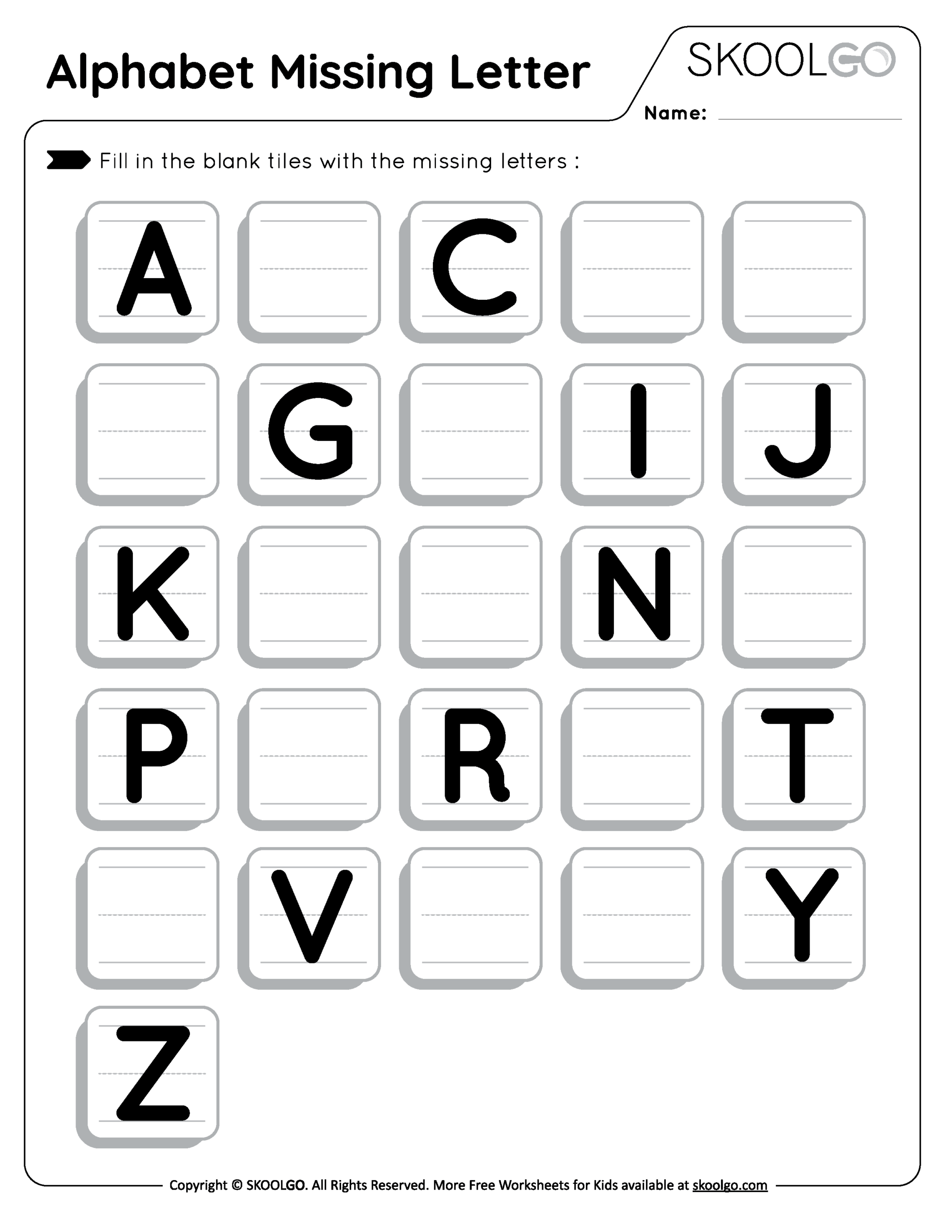
Starting the day with a quick fill-in-the-blank session can be a great way to wake up the brain. Pair it with breakfast for a nice routine. For instance, while your child eats, you can go through one or two worksheets together, discussing the words they fill in.
Break Time Fun
Instead of screens, offer a worksheet during breaks. This can help reinforce learning while allowing for play. Encourage your child to share their answers with you after completing the worksheet, turning it into a fun discussion about words and meanings.
Tailoring the Experience to Different Skill Levels
Not every child will be at the same level when it comes to recognizing letters and words. Tailor the worksheets to fit your child’s ability by considering the following:
- Beginner Level: Use simple sentences with clear images. For example, “The _og is barking” with a picture of a dog can help younger kids.
- Intermediate Level: Introduce slightly more complex sentences without images. “The _an is running” can challenge them to think more critically about the context.
- Advanced Level: For older or more advanced children, create sentences that require them to think about synonyms or antonyms. “The _eature is beautiful” could lead them to fill in “n” for “nature.”
Crafting Your Own Worksheets
If you’re feeling creative, you can also design your own Alphabet Fill In The Blank worksheets. This allows you to tailor them specifically to your child’s interests or current learning themes. Here’s how you can do it:
- Choose a Theme: Pick a topic your child enjoys, like animals, space, or favorite cartoons, to make it more engaging.
- Create Sentences: Write simple sentences that fit your theme, leaving blanks for letters.
- Include Visuals: Adding images related to the theme can help children better understand the context of the sentences.
Repetition and Practice
Repetition is key to learning. Consider keeping a binder of different Alphabet Fill In The Blank worksheets that your child can revisit periodically. This not only reinforces their skills but also allows them to see their progress over time. You might schedule a “worksheet day” each week to keep up the practice without making it feel like a chore.
Fun Variations on the Activity
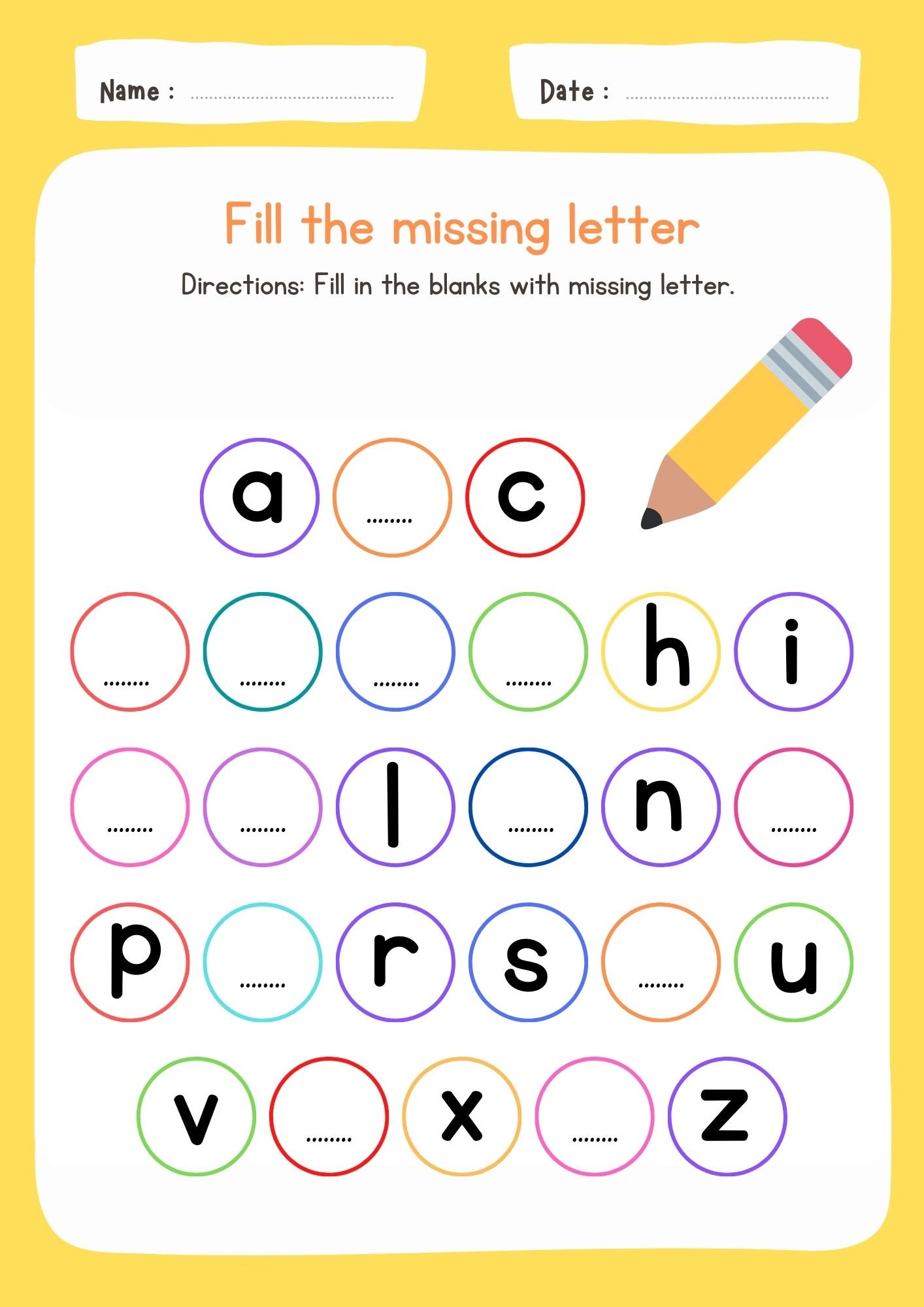
To keep things fresh and exciting, consider varying how you use the worksheets. Here are a few fun ideas:
- Timed Challenges: Set a timer and see how many sentences your child can complete in a set period.
- Group Activities: If you have multiple children, turn it into a friendly competition. Who can fill in their worksheet the fastest?
- Incorporate Technology: Use a tablet or computer to create digital versions of the worksheets. There are various apps and websites that allow for interactive fill-in-the-blank activities.
